
Last updated October 17, 2026
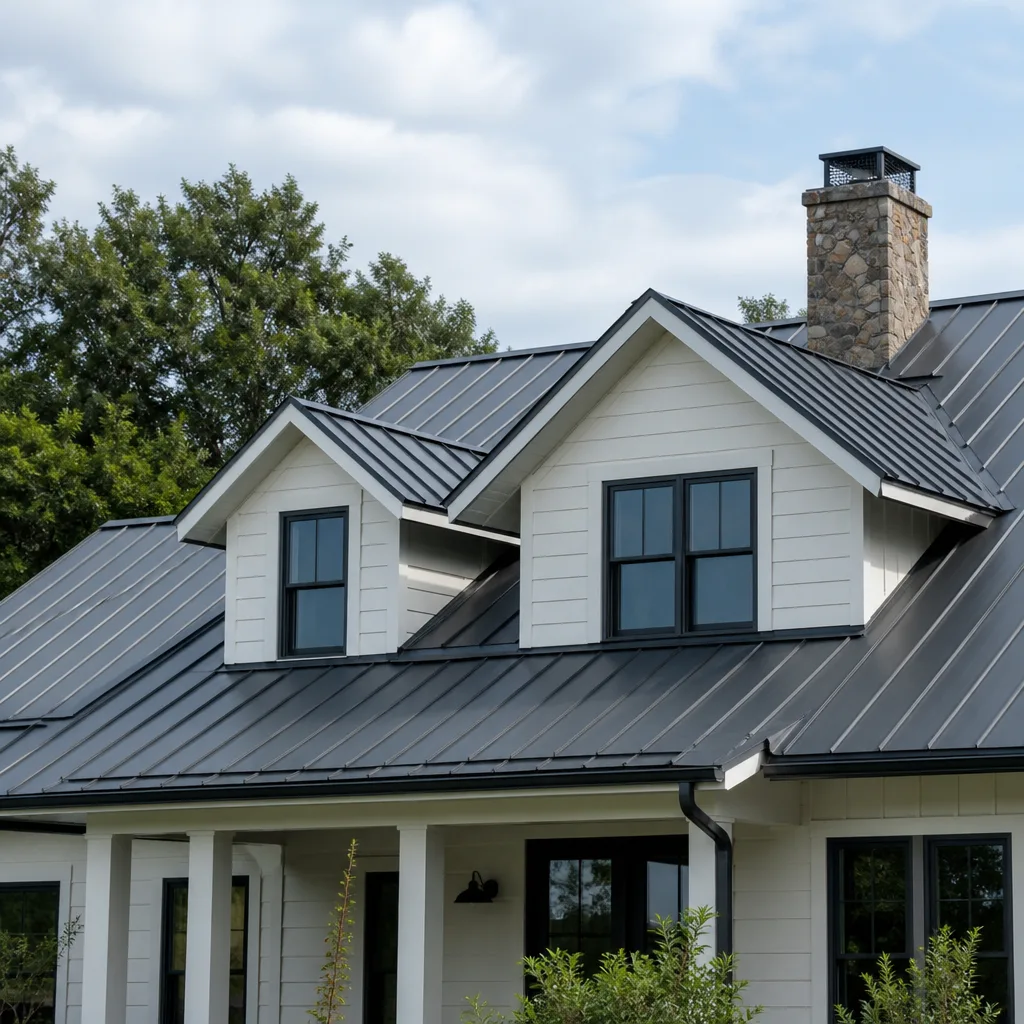 Metal roofing
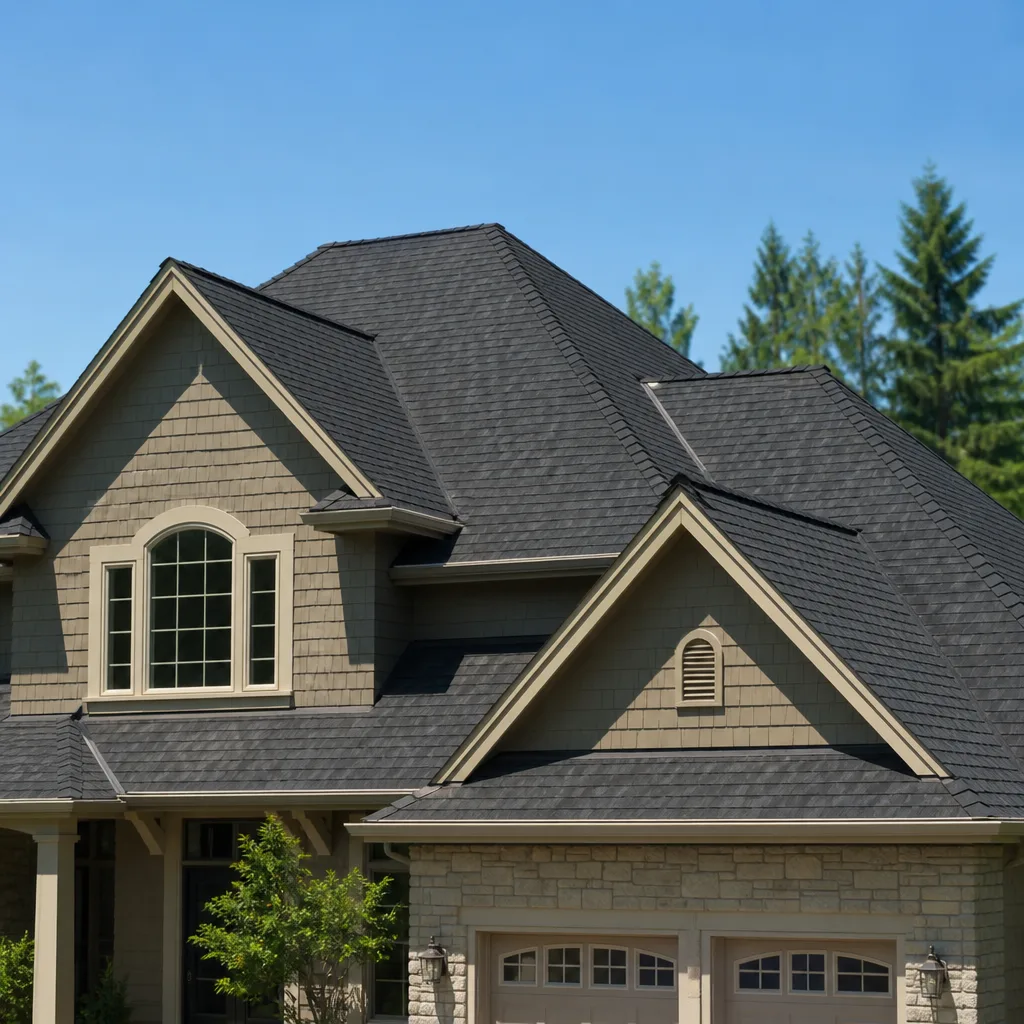 Architectural shingles
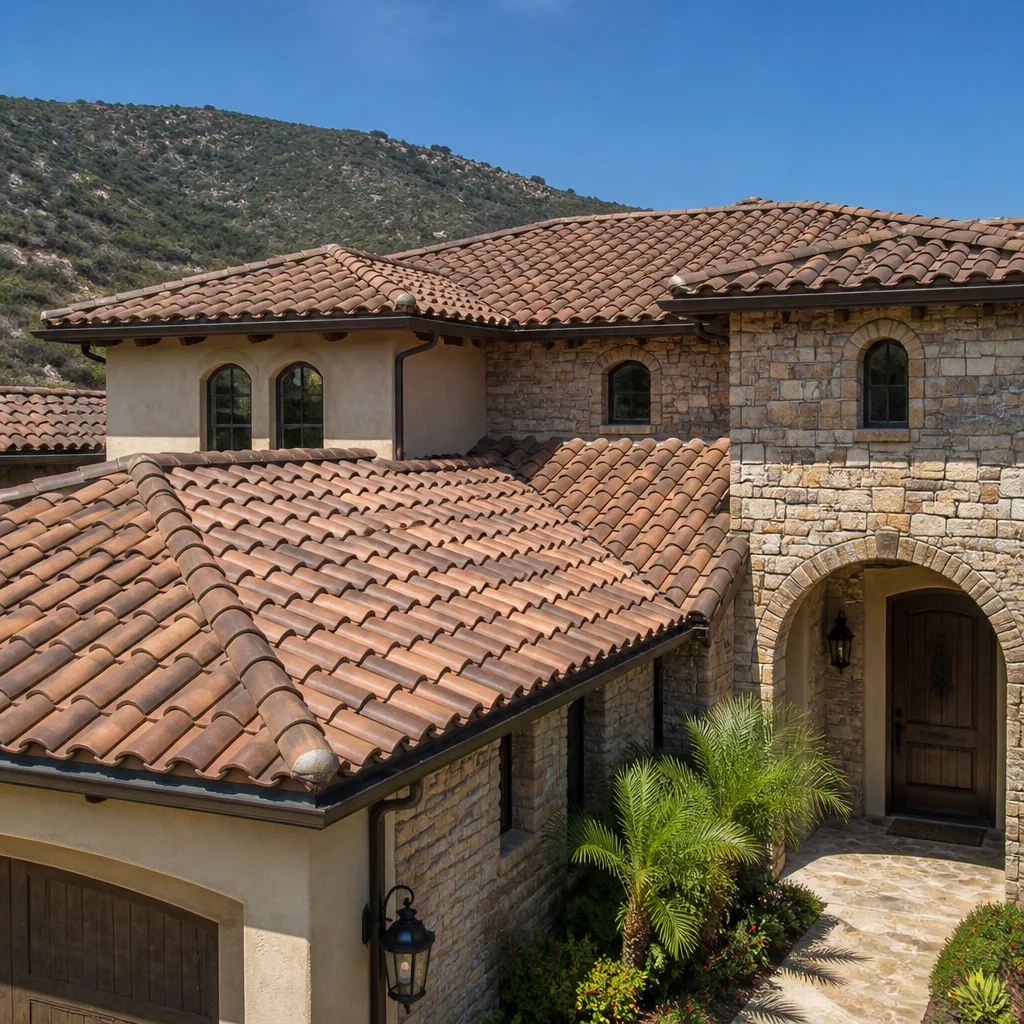 Tile roofing
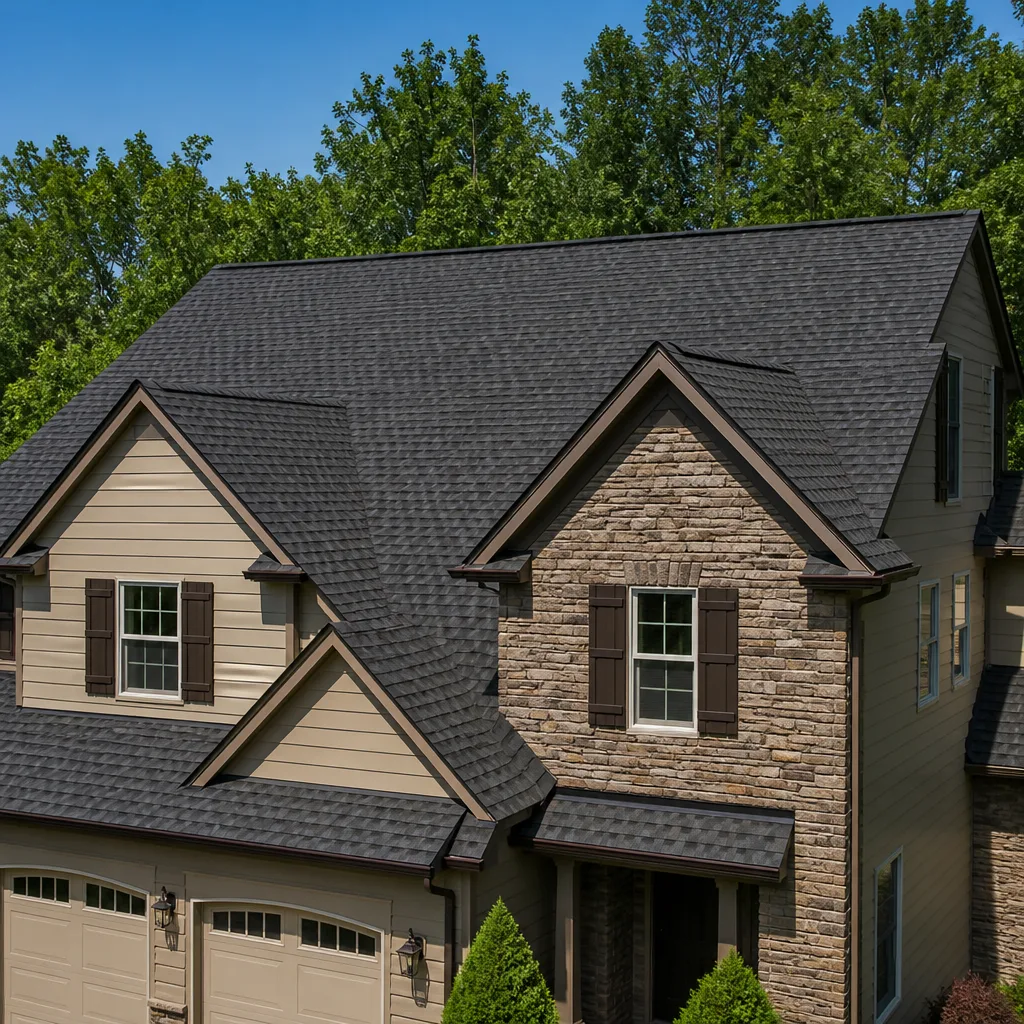 GAF
GAF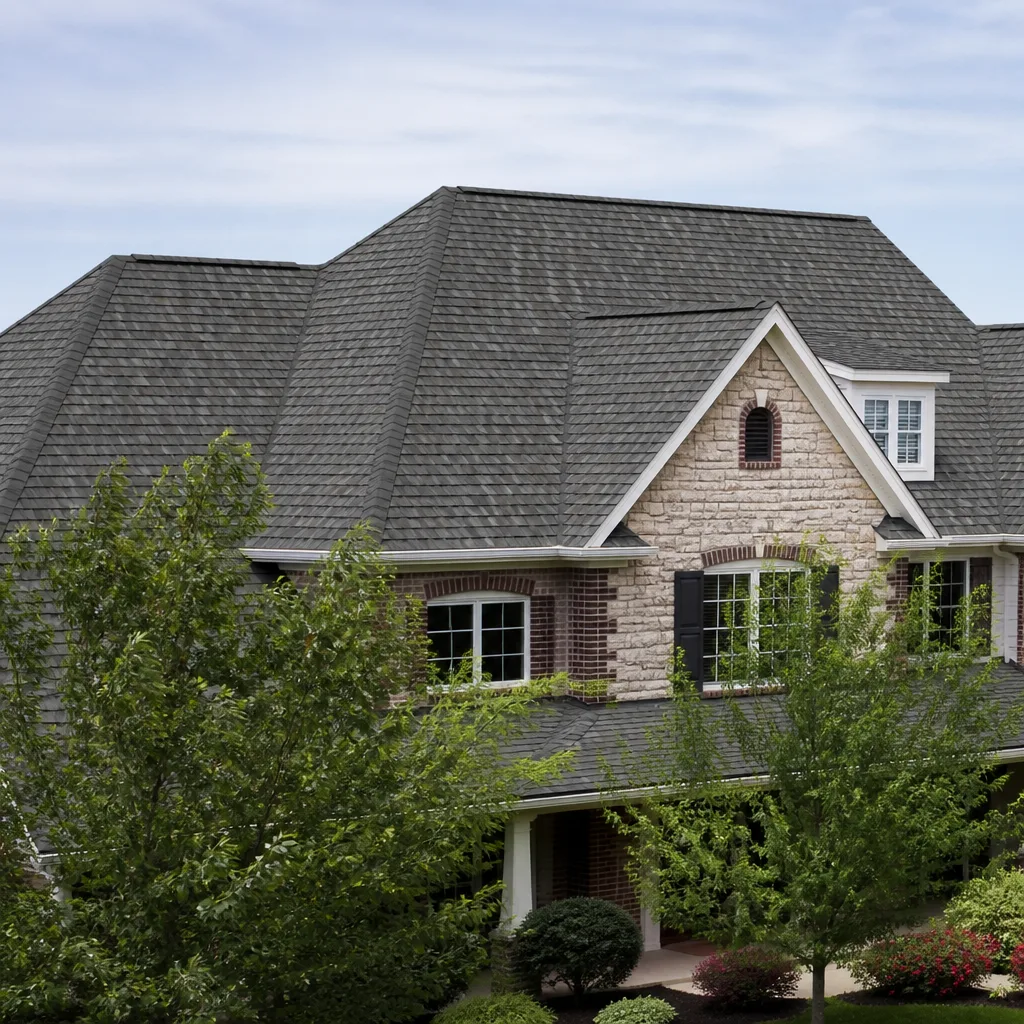 Owens Corning
 Flat & low-slope
Free roof inspection with deck photos before we talk money - GAF and Owens Corning certified installation
The Complete Guide to Roofing in Dallas
Dallas leads the nation in billion-dollar hail events per decade, yet most roofing guides written for “Texas” homeowners treat the state as one climate zone. That’s a costly oversimplification. A roof in Amarillo faces a different life than a roof in Dallas, where hail, 100°F attic temperatures, and ice storms hit the same shingles within the same calendar year. This guide and our more guides & resources give you the Dallas-specific knowledge to make roofing decisions without relying on a salesperson’s script. We’ll cover real material lifespans under North Texas UV, permit differences between Dallas proper and its suburbs, and how to document storm damage before anyone else sees it.
Quick Answer
Roofing in Dallas means choosing materials and contractors around three local realities: severe hail exposure, intense UV degradation, and a patchwork of permit requirements across the metroplex. For help with that choice, see our How to Hire a Roofing Contractor in Dallas: A Step-by-Step Guide. Asphalt shingles remain the most common choice, but impact-resistant Class 4 shingles carry specific weight here because Dallas sits at the southern edge of Tornado Alley. A full roof replacement in Dallas typically runs $9,000 to $18,000 depending on material and home size.
Styles & brands we work with
Table of Contents
- Why Dallas Climate Demands a Different Roofing Conversation
- Hail Ratings in Dallas: What Actually Matters
- Flat and Low-Slope Roofs: The Mid-Century Dallas Reality
- Real Material Lifespans Under Dallas UV
- Permits and Inspections: Dallas vs. Plano, Garland, Irving
- Post-Storm Damage Documentation: A Step-by-Step Process
- What Roofing Costs in Dallas in 2025
- Common Mistakes to Avoid
- When to Call a Professional
- Frequently Asked Questions
Why Dallas Climate Demands a Different Roofing Conversation
Dallas sits inside a weather collision zone. Cold dry air from the Rockies meets warm Gulf moisture over North Texas, and the result is some of the most violent convective weather in the country. Hail is the headline, but it’s not the only stressor. Dallas averages roughly 2,800 cooling degree days annually, which means your attic can sit above 140°F for hours between June and September. That heat doesn’t just age shingles from above. It bakes them from below through the decking, accelerating granule loss and curling edges on south-facing slopes faster than any other exposure.
Then there’s the ice. February 2021’s winter storm brought single-digit temperatures and days of ice accumulation to Dallas roofs. Freeze-thaw cycles cause water to expand in small cracks and nail penetrations, widening gaps that become leaks during spring rains. A roof that survived that week without visible damage may still have micro-fractures that show up two years later. We see this pattern regularly in older Dallas neighborhoods like Lakewood and Casa View, where homes built in the 1950s and 1960s carry original decking that never faced this kind of thermal cycling.
The takeaway: your roof doesn’t need to be good at one thing. It needs to withstand impact, UV degradation, thermal expansion, and freeze-thaw cycling within a single year. That’s a higher bar than most national roofing guides acknowledge.
Hail Ratings in Dallas: What Actually Matters
Dallas sits at the southern overlap of Tornado Alley, and the hail data backs up the reputation. The National Weather Service records show Dallas County consistently ranking among the top U.S. counties for severe hail reports. When hail stones exceed one inch in diameter, they hit shingles with enough force to displace granules, crack the asphalt mat, or puncture the shingle entirely. Impact-resistant shingles are designed to absorb that force, but the rating system has nuance that most roofing sales pitches skip.
UL 2218 Class 4 is the standard you’ll hear quoted. It means the shingle survived a 2-inch steel ball dropped from 20 feet without cracking. That’s a useful benchmark, but here’s what matters for Dallas specifically: insurance companies operating in North Texas increasingly offer premium discounts for Class 4 roofs because their actuarial data proves the reduction in hail claims. Some carriers in Dallas County knock 15% to 30% off the wind/hail portion of the premium. That’s real money over the life of the roof.
What’s mostly marketing: claims that Class 4 shingles are “hail proof.” No shingle is. Class 4 reduces damage from the most common hail sizes in Dallas (1 to 1.75 inches), but a 2.5-inch stone can crack nearly anything. What Class 4 does do is extend the window between replacements in a hail corridor. For a Dallas homeowner weighing a 30-year roof, Class 4 shingles from GAF or CertainTeed often pencil out cheaper over two decades once insurance savings are factored in, as explained in our DIY vs Professional Roofing: The Dallas Homeowner’s Decision Guide.
Flat and Low-Slope Roofs: The Mid-Century Dallas Reality
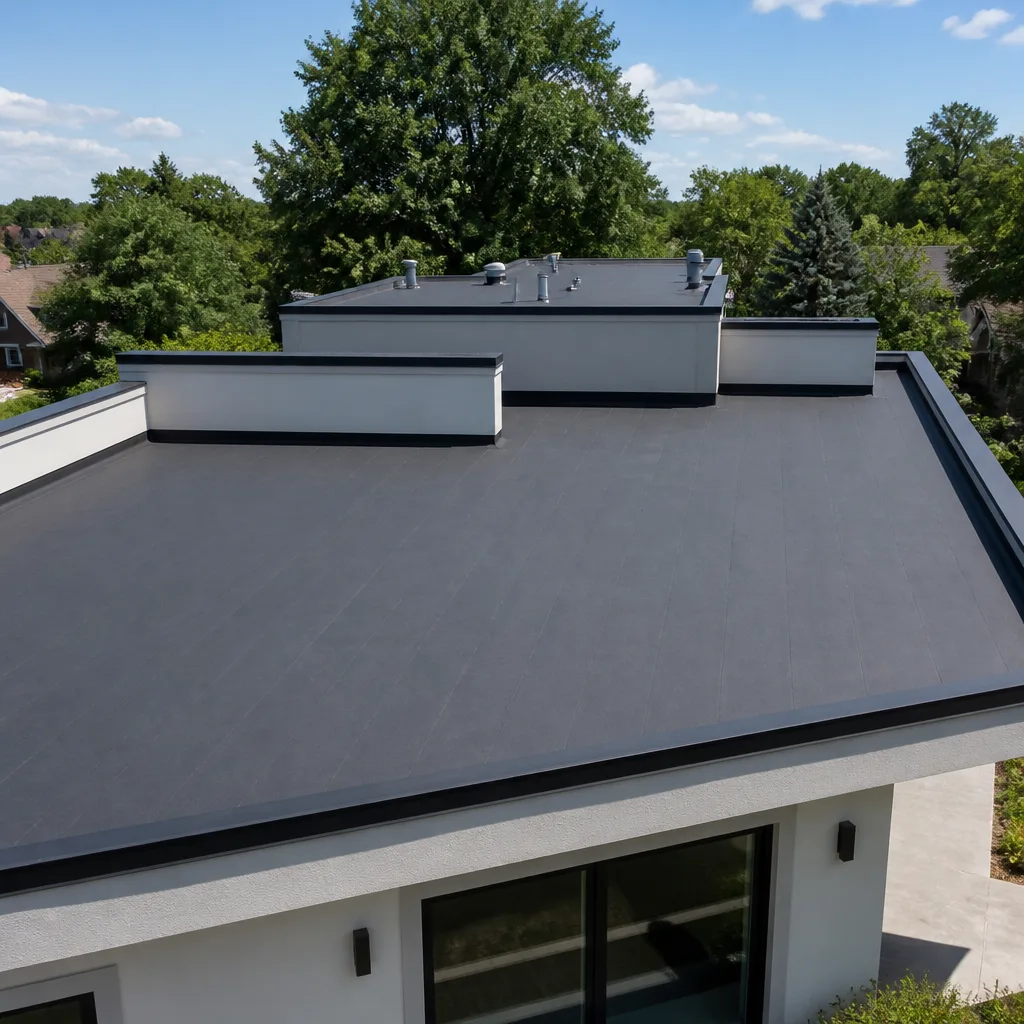
Drive through East Dallas, Oak Cliff, or the neighborhoods around White Rock Lake and you’ll see a housing stock that national roofing guides ignore: mid-century ranch and modern homes with flat or very low-slope roofs. These roofs don’t shed water the way steep-pitch suburban builds do. They rely on a continuous waterproof membrane, and that membrane behaves entirely differently under Dallas conditions than shingles do.
On a low-slope roof, standing water after a storm is a design failure, not a minor nuisance. Ponding water that sits for more than 48 hours accelerates membrane breakdown, especially when it’s heated by the Dallas sun. We see this on homes in the M Streets and Midway Hollow where original tar-and-gravel or built-up roofs from the 1960s have been patched repeatedly rather than replaced. Each patch adds seams, and seams are where flat roofs fail.
Modern low-slope solutions for Dallas homes include TPO, EPDM, and modified bitumen systems. TPO’s white reflective surface delivers measurable cooling benefits during Dallas summers, reducing attic temperatures by a meaningful margin. Modified bitumen offers better puncture resistance for homes with trees overhead or HVAC equipment on the roof. If your Dallas home has a roof pitch below 2:12, you need a roofer who understands membranes, not someone who installs shingles on every house they see. A shingle installation on a low-slope roof will leak, and no amount of underlayment fixes the physics.
For a better sense of how these systems compare on your specific home, our Roof Installation in Dallas page walks through material options for both steep and low-slope homes.
Real Material Lifespans Under Dallas UV
Manufacturer warranties quote lifespans based on ideal conditions. Dallas is not ideal conditions. The UV index in North Texas runs high through nine months of the year, and UV radiation is the primary driver of asphalt shingle aging. Here are the real-world numbers we’ve observed across thousands of Dallas roofs:
- 3-tab asphalt shingles: 12 to 18 years in Dallas. The 25-year warranty is a paper promise. UV exposure and thermal cycling cut actual service life by a third or more. These are entry-level and increasingly uncommon on Dallas replacements.
- Architectural shingles: 18 to 25 years. The thicker mat and doubled layer buy roughly a decade over 3-tab. Most Dallas homeowners replacing roofs today choose architectural shingles from GAF, CertainTeed, or Owens Corning for the balance of cost and lifespan.
- Class 4 impact-resistant shingles: 20 to 28 years. The impact rating is independent of UV resistance, but Class 4 shingles are typically built on heavier mats that also resist sun damage better. The hail protection and the lifespan gain work together in Dallas.
- Metal standing seam: 40 to 60 years. Metal reflects UV rather than absorbing it, which is why it outlasts every asphalt product in Dallas. The higher upfront cost is real, but if you plan to stay in the house for 20-plus years, the math works.
- Clay or concrete tile: 50-plus years. Rare on original Dallas homes, increasingly common in higher-end new construction and Mediterranean-style estates in areas like Preston Hollow. The structural load requirement is significant and your framing must be evaluated before installation.
One Dallas-specific note on UV: south-facing and west-facing slopes degrade noticeably faster than north-facing slopes on the same roof. If you’re getting a partial repair, expect the sunny sides to show color difference against newer shingles. That’s not a defect. It’s physics. A full replacement avoids the patchwork look.
Permits and Inspections: Dallas vs. Plano, Garland, Irving
The Dallas metroplex is not one jurisdiction. When we talk about roofing in Dallas, we’re really talking about a dozen-plus municipalities, each with its own permitting rules, inspection timelines, and code adoptions. This catches homeowners off guard, especially those who moved from a suburb into Dallas proper or vice versa.
Here’s the current landscape:
- City of Dallas: Requires a permit for roof replacement. The city uses the 2021 International Residential Code with local amendments. Inspections are scheduled through the Development Services Department, and typical turnaround after filing runs 3 to 7 business days depending on volume. The city also requires a registered contractor to pull the permit, meaning the homeowner cannot act as their own contractor on a full replacement.
- Plano: Permit required for re-roofing. Inspection timelines are generally faster, often 2 to 5 business days. Plano enforces specific underlayment and ventilation requirements above baseline IRC, so a roofer unfamiliar with Plano amendments can fail inspection on details a Dallas inspection would pass.
- Garland: Permit required, and Garland enforces a specific wind-load standard for shingle fastening that exceeds the minimum IRC requirement. Extra nails per shingle are common on Garland roofs, and that’s not optional. Inspections are scheduled within 3 to 6 business days.
- Irving: Permit required with its own inspection scheduling system. Irving has been aggressive about post-storm permitting enforcement, so skipping the permit after a hail repair can result in a stop-work order even on an emergency repair.
The practical takeaway: a roofer who handles permits in Dallas may not be registered to work in Plano or Garland. Always ask whether the company is registered with the specific municipality where your home sits. A surprise permit rejection mid-project delays your roof by weeks, not days.
If you’re comparing contractors, our Roofing Company in Dallas page explains what separates registered, vetted crews from the storm-chasers who appear after every hail event.
Post-Storm Damage Documentation: A Step-by-Step Process
Here’s the scenario: a hail storm hits your Dallas neighborhood, you hear stones on the roof, and within hours a knock comes at the door from someone offering a free inspection. Before you let anyone climb a ladder, document the damage yourself. This process protects you from inflated claims, unneeded replacements, and adjusters who under-assess because they never saw the initial damage.
- Photograph everything the day of or day after the storm. Use your phone. Walk the perimeter and shoot all four roof slopes from ground level. Hail damage photographs better within 24 to 48 hours before oxidation dulls the impact marks.
- Photograph the grounds too. Hail that dented your roof also dented your gutters, downspouts, window screens, AC condenser fins, and exterior paint. These secondary impacts are corroborating evidence for your insurance claim and help establish hail size.
- Check the attic. Same day if you can. Look for water stains on the underside of the decking and any light penetration through the roof. Photograph what you find. This documents whether the storm breached the roof or only damaged the surface.
- Note the date, time, and duration of the storm. Write it down. Insurance adjusters cross-reference this against NOAA storm data for your specific address. Accurate timing strengthens the claim.
- Collect any hail samples if stones are still present. Put them in a freezer bag with a ruler in the photo. Hail size matters for triggering insurance coverage thresholds, and photos with scale are hard to dispute.
- Get a roofer on the roof only after you’ve documented from the ground. A thorough contractor will take attic and roof-level photos and annotate findings. Compare their photos to yours. If they show damage you didn’t see, the photos should match the same slopes.
This sequence puts you in control of the narrative before the adjuster or contractor tells you what they think you saw. It’s the difference between a repair quote and a full replacement, and in Dallas hail country, that difference is thousands of dollars.
What Roofing Costs in Dallas in 2025
Dallas roofing prices have moved substantially since 2020, driven by material costs, labor availability, and the volume of insurance-driven demand after storm seasons. These are the current ranges we quote for standard single-family homes in the Dallas area. These are installed prices including tear-off of the existing roof, underlayment, flashing where needed, and haul-away.
- 3-tab asphalt shingle replacement (1,800 sq ft roof): $7,500 to $10,500. Entry-level material, shorter lifespan, increasingly uncommon in Dallas.
- Architectural shingle replacement (1,800 sq ft roof): $9,500 to $14,000. The most common Dallas replacement. Price varies by pitch, number of stories, and whether decking repairs are needed.
- Class 4 impact-resistant shingle replacement (1,800 sq ft roof): $11,000 to $17,000. The premium over architectural is real, but so are the insurance discounts. Many Dallas homeowners recoup the difference within five to seven years of premium reductions.
- Standing seam metal (1,800 sq ft roof): $22,000 to $38,000. Material gauge, seam profile, and complexity drive the wide range. This is a two-decade-plus investment.
- TPO membrane for low-slope roof (1,500 sq ft): $10,000 to $15,000. Common on mid-century Dallas homes replacing old built-up roofs.
- Repairs: $350 to $1,800. Leak repairs near flashing, chimney, or vent penetrations run the lower end. Larger repairs involving decking replacement or multiple shingle courses run higher.
Every Mercer Roofing Co Dallas project starts with a written price. That’s not a promotional hook. It’s how we operate, and it’s part of the Mercer Roofing Co Dallas home promise: you know the number before we climb the ladder, and that number doesn’t change unless we open the roof and find something neither of us could see from the surface, in which case you approve the change before we proceed.
Common Mistakes to Avoid
- Choosing a roofer by storm-chaser door knock. After every Dallas hail event, out-of-state crews flood the market, work a street, and move on. They’re not registered in Dallas, don’t know local code, and won’t be here when the repair fails. Ask for a photo ID and verify the company’s local registration before anyone gets on your roof.
- Skipping the permit because “it’s just a repair.” Dallas and its suburbs enforce permitting on repairs that exceed a certain scope, and post-storm enforcement is not hypothetical. An unpermitted roof can become a disclosure problem when you sell the house.
- Accepting a quote without inspecting the decking first. Dallas homes from the 1950s and 1960s often have decking that’s never been exposed. Rot, delamination, and nail fatigue hide under old shingles. Any real quote includes a contingency for decking replacement, not a hand-wave.
- Choosing flat-roof material based on shingle assumptions. A roofer who recommends shingles on a 1:12 pitch is not your roofer. Membrane systems exist for low-slope Dallas homes for a reason.
- Ignoring ventilation when replacing the roof. Dallas attics cook in summer. A new roof without proper ridge and soffit ventilation ages prematurely and drives cooling costs up. Ask about ventilation on every quote.
- Filing an insurance claim before documenting damage yourself. The sequence matters. Your own photos and notes frame the claim and protect against both over-assessment (storm-chaser roofer) and under-assessment (overworked adjuster).
When to Call a Professional
Call a professional when you see water stains on interior ceilings, when shingles are missing or curling after a storm, when you can see daylight through the attic decking, or when your roof is past 15 years old and you want an honest assessment of remaining life. Also call before you file an insurance claim. A professional inspection with photos and annotated findings gives your claim documentation weight. Roof Repair in Dallas is something we do every day, and the initial assessment is free. Mercer Roofing Co Dallas offers free estimates in Dallas. Call (432) 302-5605 and a live person answers, any hour, any day.
Frequently Asked Questions
A standard architectural shingle roof in Dallas lasts 18 to 25 years under real conditions. The same roof in a milder climate might reach 30 years. Dallas hail, UV intensity, and thermal cycling shorten lifespans. Impact-resistant Class 4 shingles typically add 2 to 5 years to that range.
A full architectural shingle replacement for a standard 1,800 square foot roof in Dallas runs $9,500 to $14,000 installed. Class 4 impact-resistant shingles run $11,000 to $17,000. Metal standing seam runs $22,000 to $38,000. Call (432) 302-5605 for an exact quote on your specific home, and you’ll have a written price before any work begins.
Yes. The City of Dallas requires a permit for roof replacement, and the contractor must be registered with the city to pull it. Suburban municipalities including Plano, Garland, and Irving also require permits with their own timelines and code amendments. A registered roofer handles this for you.
In most cases, yes. Class 4 shingles reduce damage from the 1 to 1.75 inch hail stones that are common in Dallas, and many North Texas insurance carriers discount premiums 15% to 30% for Class 4 roofs. The premium recovers itself over five to seven years for most homeowners.
TPO membrane is the best choice for most low-slope Dallas roofs. Its white surface reflects heat and reduces attic temperatures during Dallas summers, and it handles the freeze-thaw and ponding cycles better than older built-up systems. Modified bitumen is a strong alternative when puncture resistance matters.
Document everything from the ground before anyone climbs the roof. Photograph all slopes, gutters, AC units, and any visible damage. Check the attic for leaks. Write down the storm date and time. Then call a local roofer for a professional assessment. Your documentation frames the insurance claim and protects you from bad-faith assessments on either side.
The Bottom Line
Roofing in Dallas is a local craft with local answers. The hail corridor demands impact resistance. The UV intensity shortens real lifespans below manufacturer marketing. The patchwork of municipal codes means your roofer’s Plano experience means nothing if your home sits in Garland. And the mid-century flat roofs of East Dallas need membrane expertise, not shingle experience. Get a written price before work starts. Get a written guarantee on every repair. Know who is coming to your door before they arrive. If a roofer can’t do those three things in Dallas, you haven’t found the right roofer.
Written by Grant Whitlock, Owner at Mercer Roofing Co Dallas, serving Dallas since 2000.
See the difference
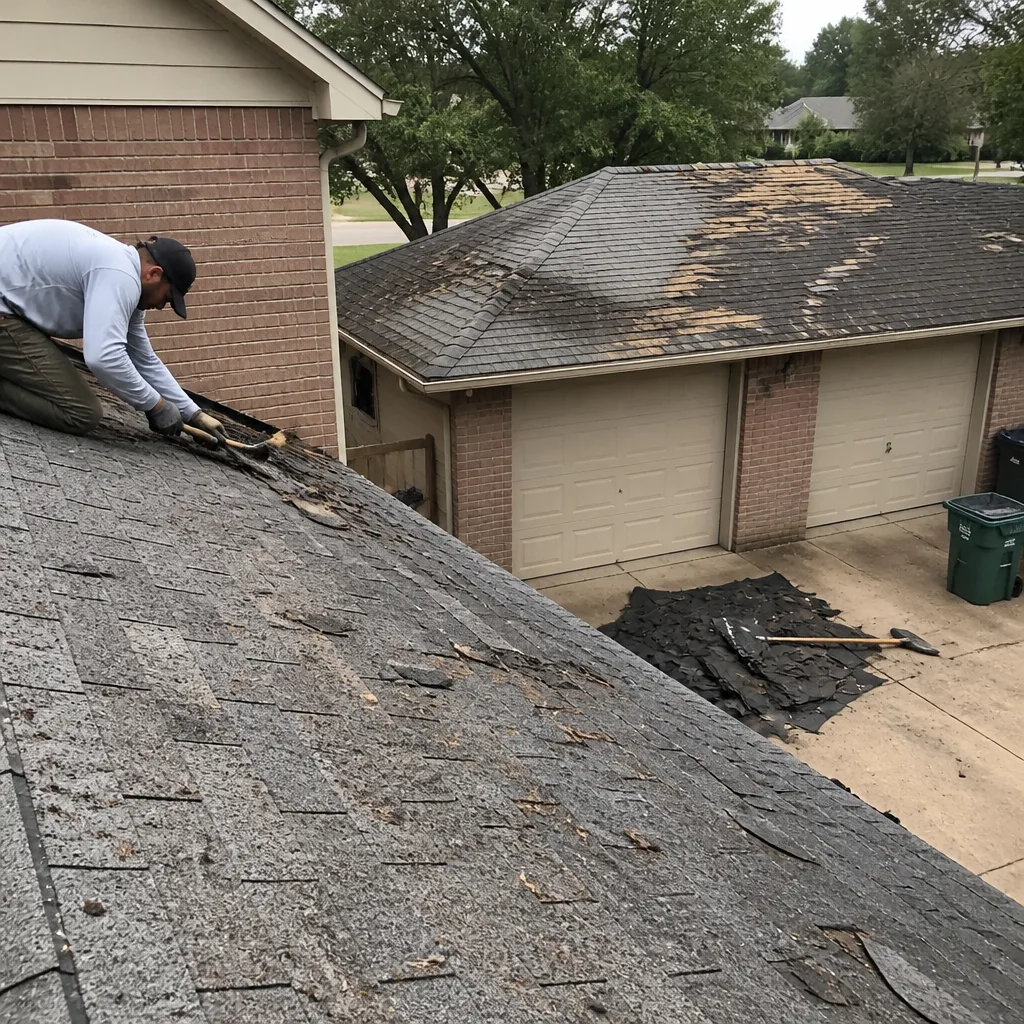 Before
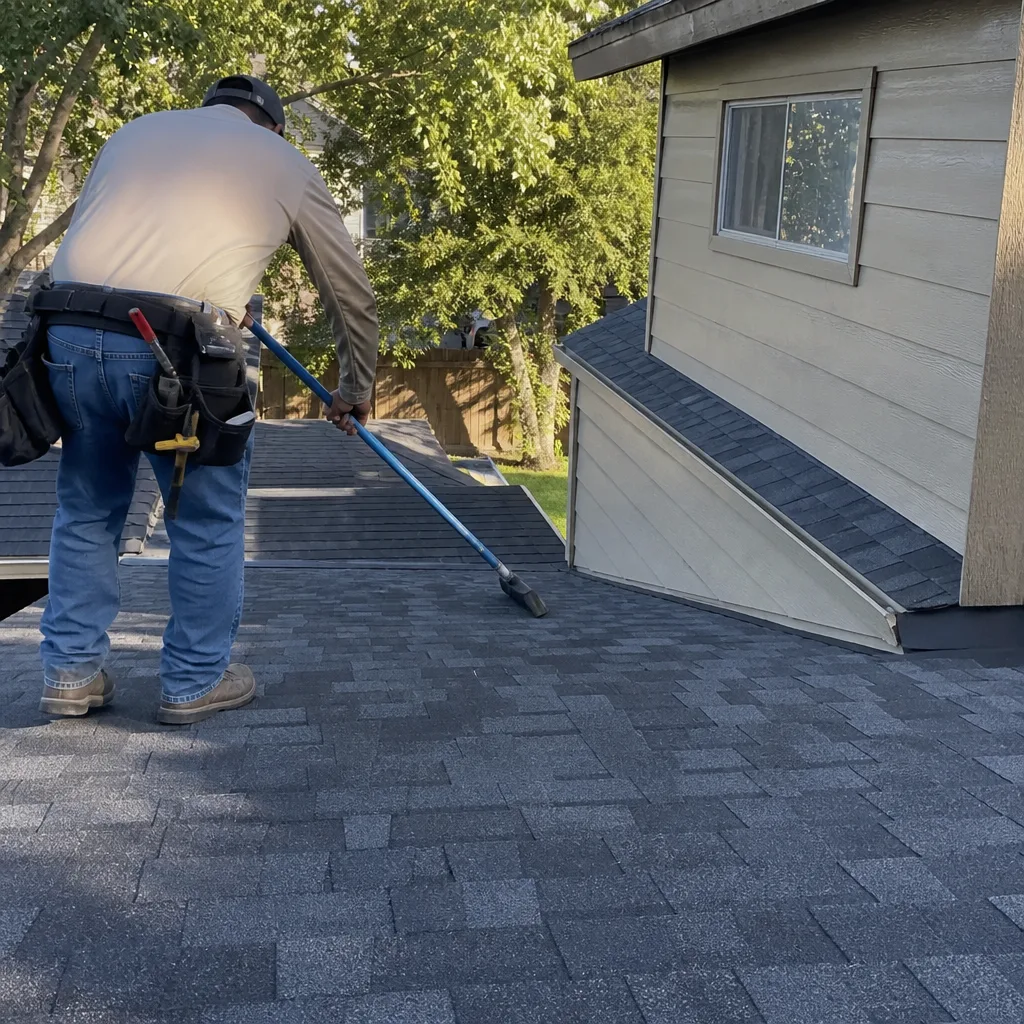 After
After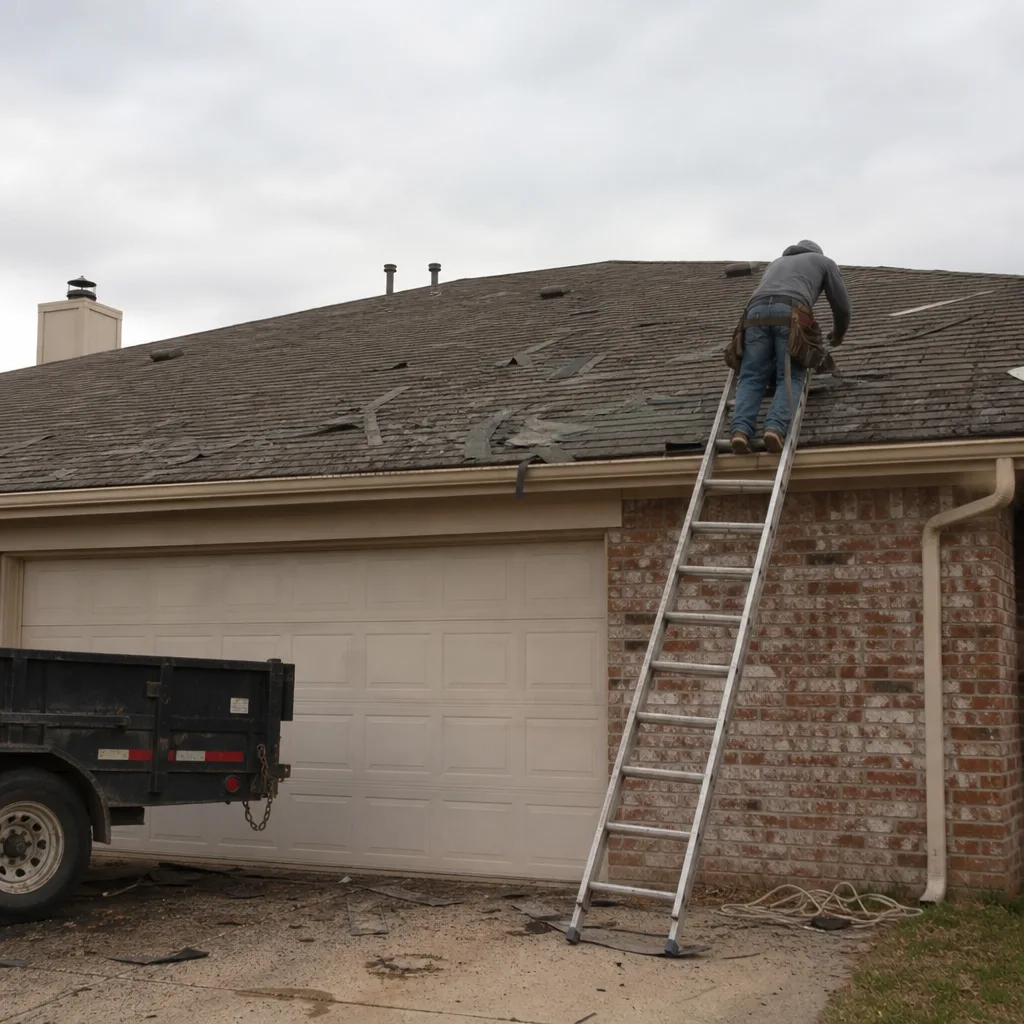 Before
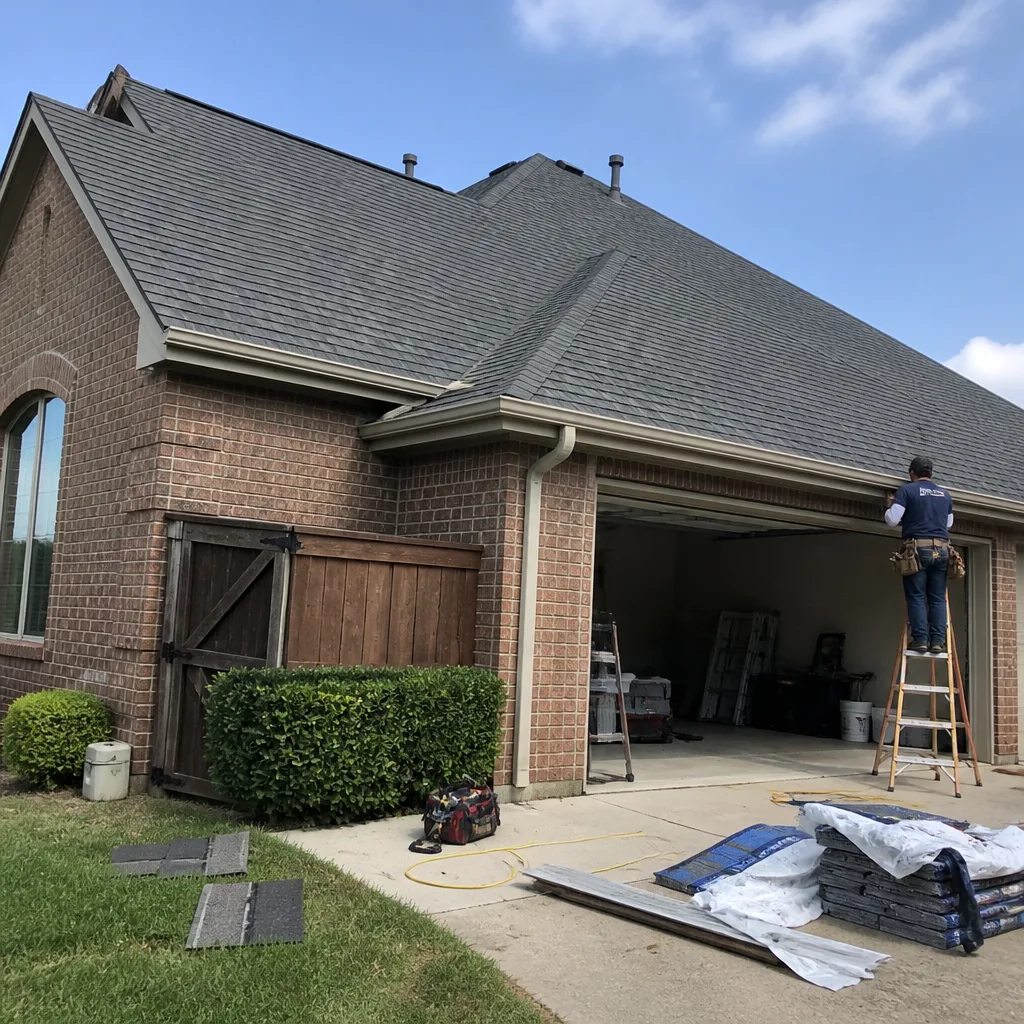 After
After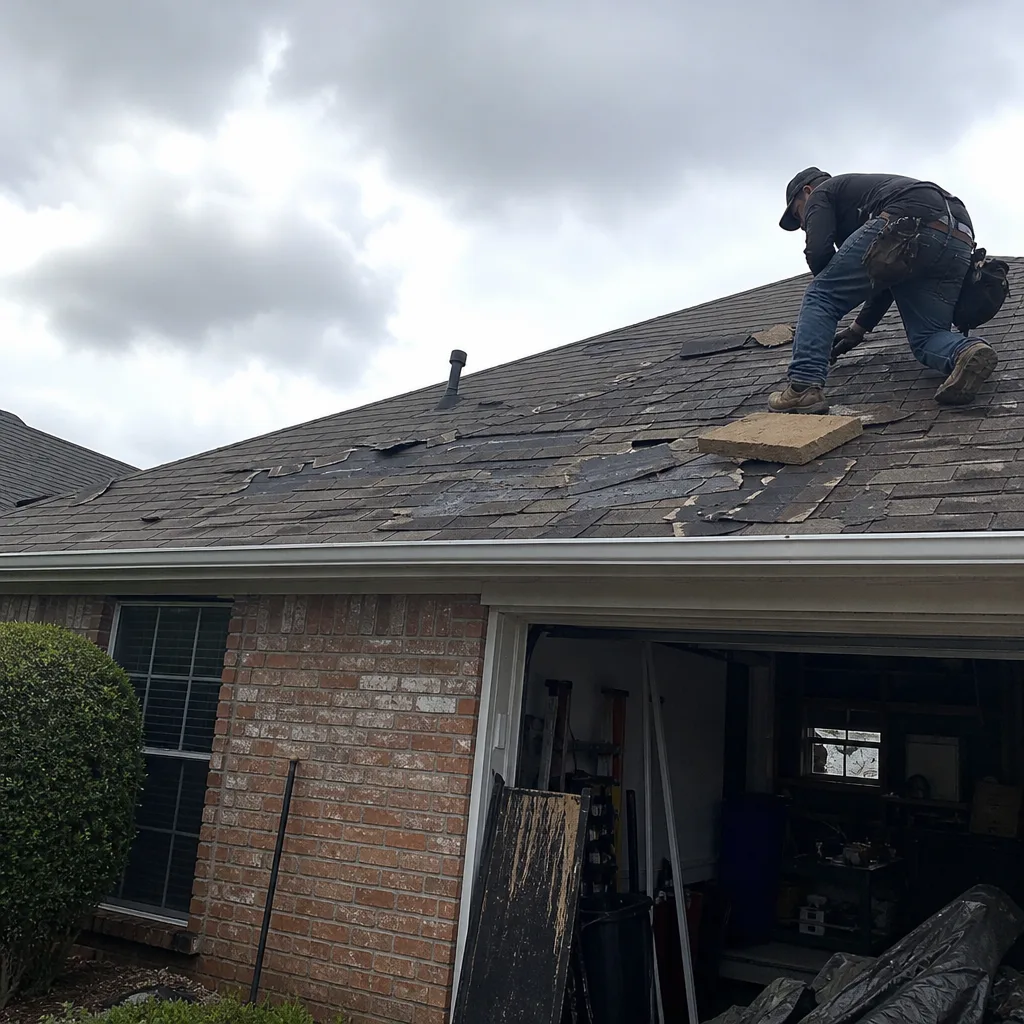 Before
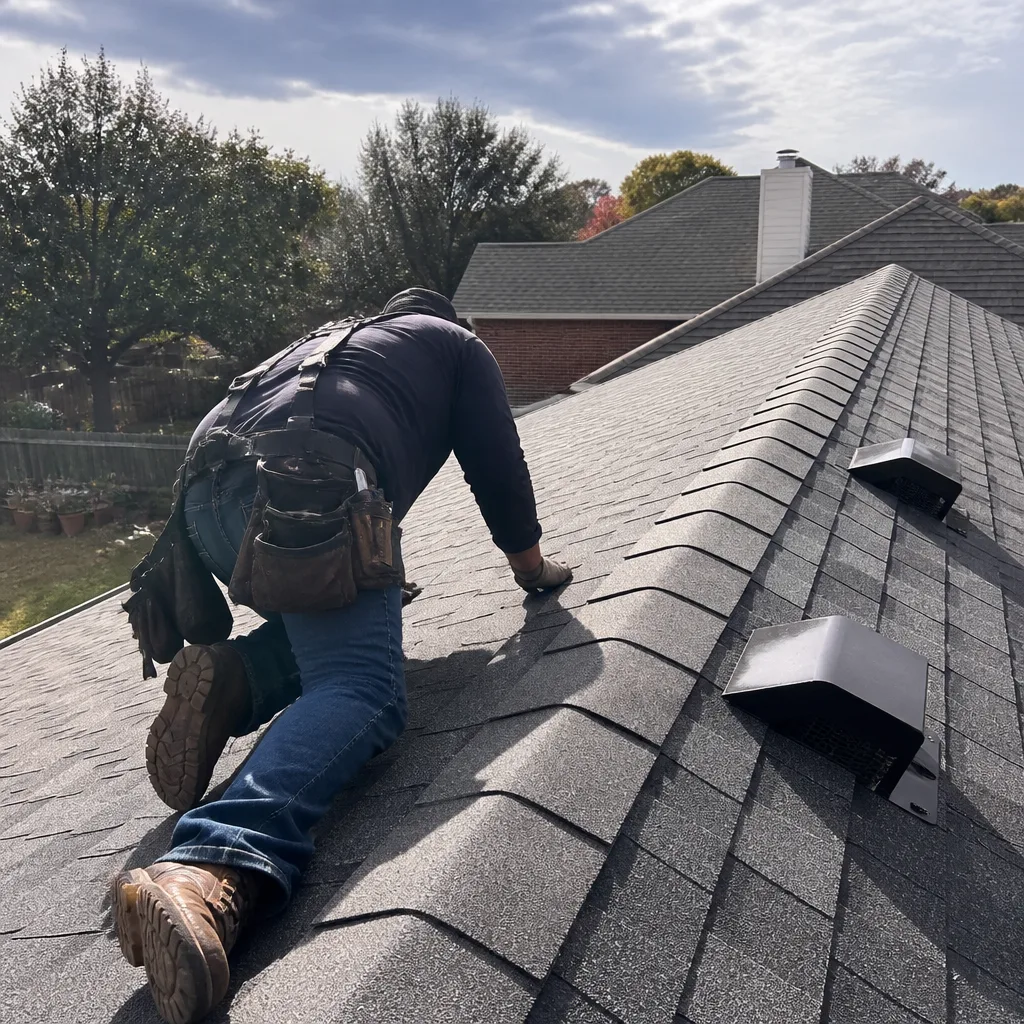 After
After