
Last updated October 17, 2026
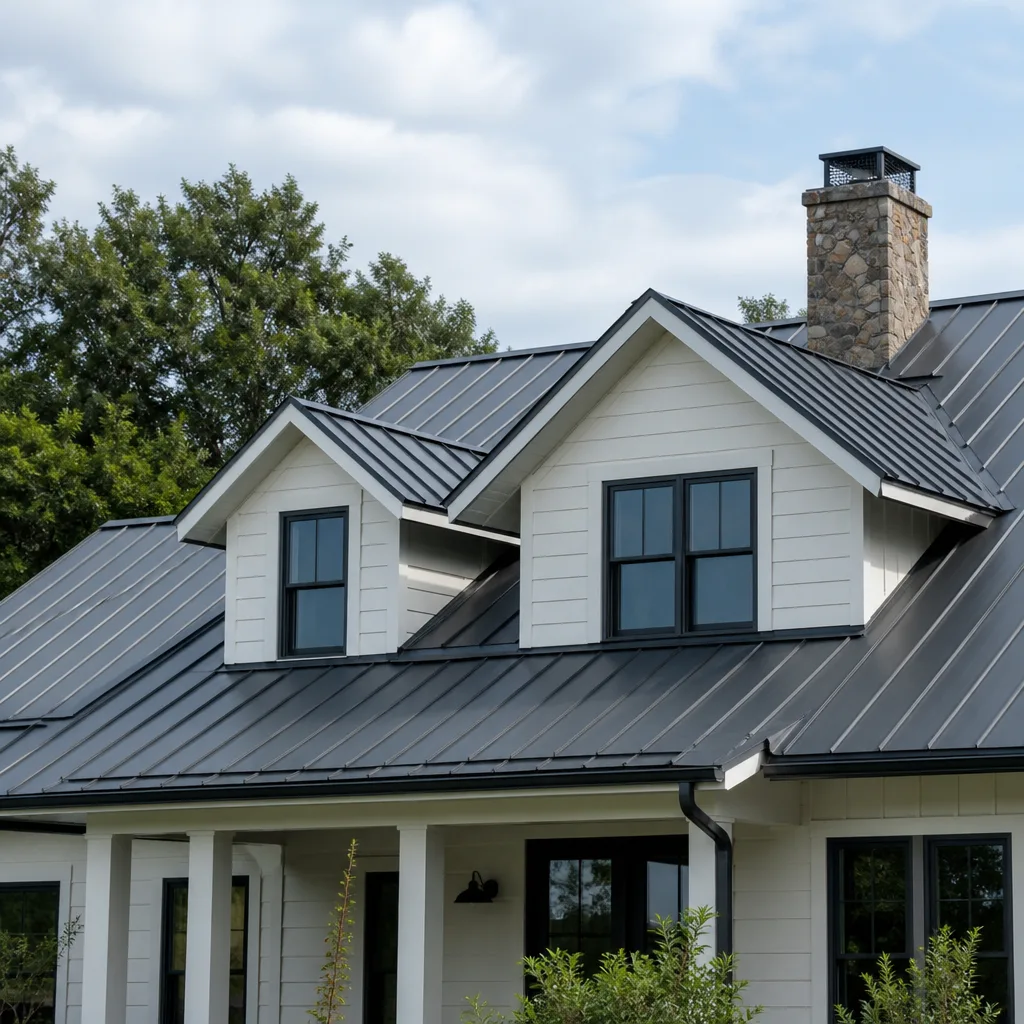 Metal roofing
 Architectural shingles
 Tile roofing
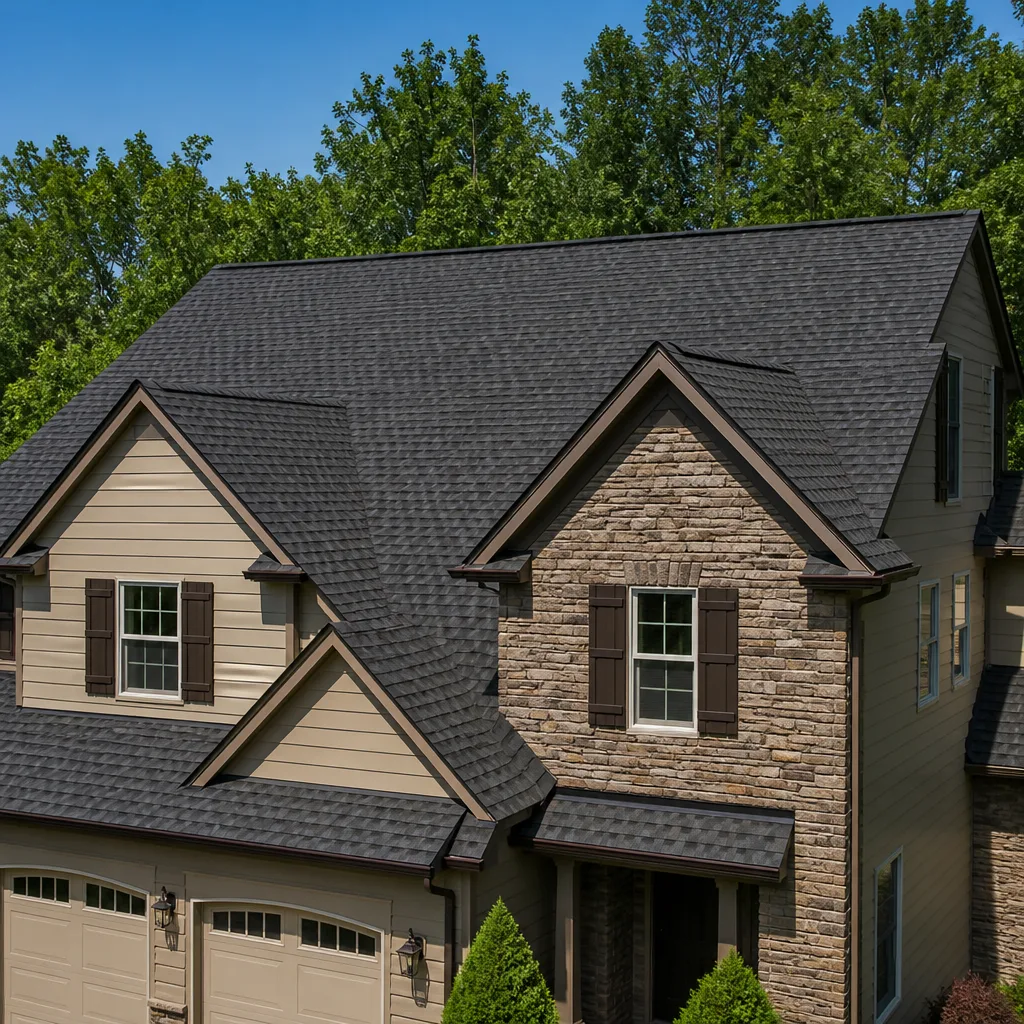 GAF
GAF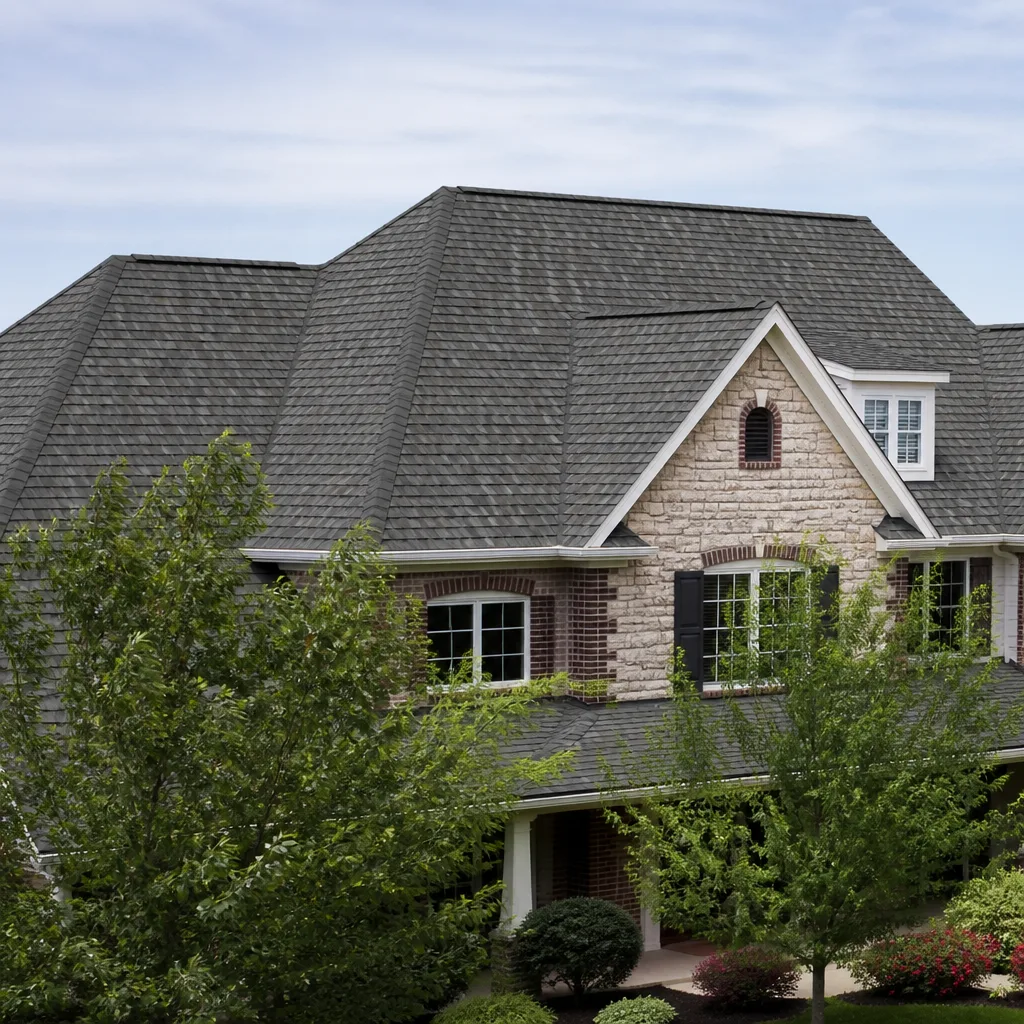 Owens Corning
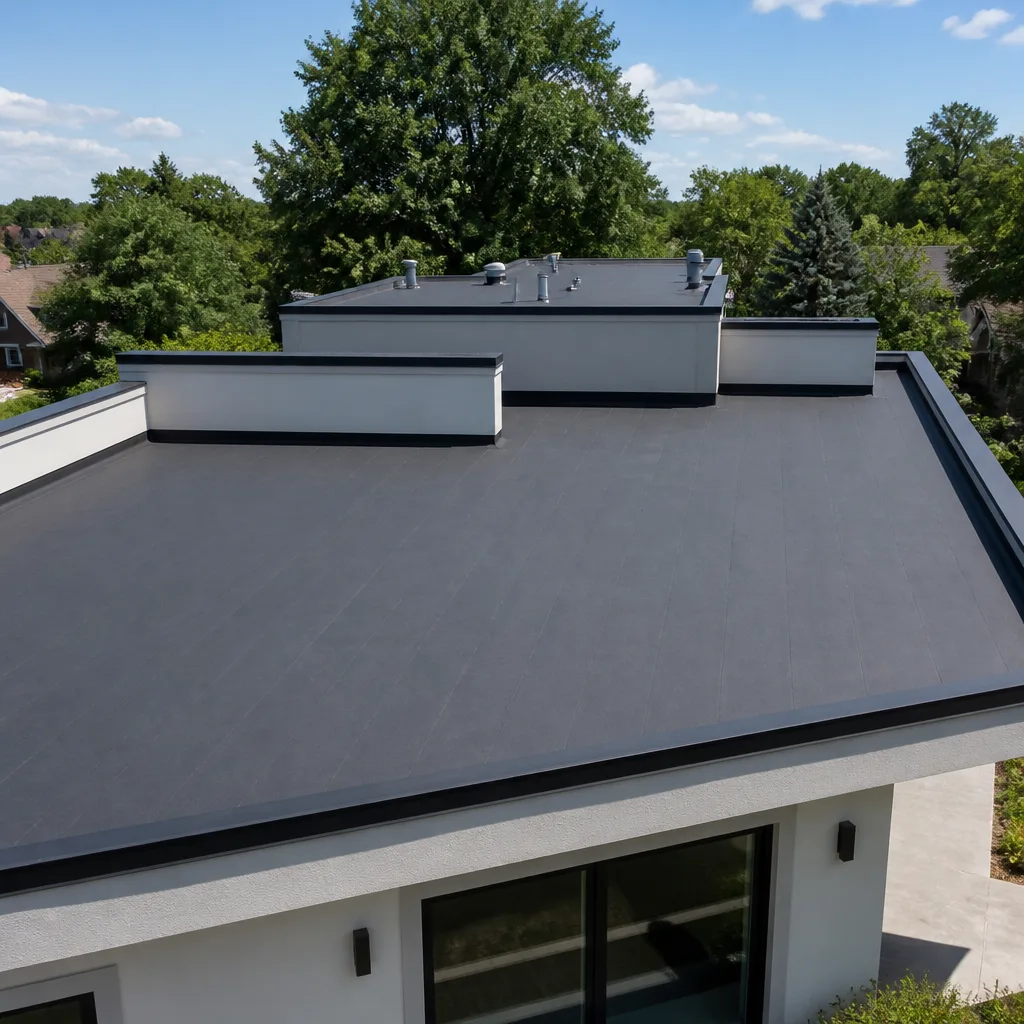 Flat & low-slope
Free roof inspection with deck photos before we talk money - GAF and Owens Corning certified installation
Seasonal Roofing Care for Dallas: Year-Round Homeowner’s Guide
Dallas homeowners have roughly six combined weeks each year, late February and late October, when temperatures and contractor availability line up for genuine preventive roof work. Miss those windows and you’re either paying emergency rates after a hailstorm or waiting in a storm surge queue behind two hundred other houses. This guide covers exactly what your roof needs in each season in Dallas, why our humidity does more damage than the heat alone, and how to schedule roof work when crews are actually available. For more guides & resources, see our blog.
Styles & brands we work with
Quick Answer
Seasonal roof care in Dallas comes down to two critical inspection windows: late February, before spring hail season, and late October, before winter freeze events. Homeowners who schedule a professional roof inspection during those windows catch small problems before they become leaks that damage ceilings, insulation, and drywall. The most effective year-round strategy is a February shingle and flashing check, an October pipe boot and gutter clearing, and keeping an eye on attic ventilation through the summer.
Table of Contents
- Why Dallas Weather Punishes Roofs Differently
- Late February: The Most Valuable Inspection Window
- Spring Storm Season: What Hail Actually Does to Your Roof
- Summer Heat and Humidity: The Slow Degrader
- October: Closing Out Storm Season Before the Freeze
- Winter Freeze Prep: Ice Dams on Low-Pitch Texas Roofs
- The Dallas Contractor Scheduling Strategy
- Common Mistakes to Avoid
- When to Call a Professional
- Frequently Asked Questions
- The Bottom Line
Why Dallas Weather Punishes Roofs Differently
Dallas doesn’t have four equal seasons. We have two long stretches of mostly dry, often brutal weather, and two short windows where the temperatures let roofers work safely and materials adhere properly. The heat is the obvious villain. For about four months a year, asphalt shingles in Dallas soak up direct sun with surface temperatures regularly hitting 150 to 165 degrees on the hottest afternoons. That heat cooks the volatile oils out of the asphalt, making shingles brittle long before their rated lifespan ends.
What most homeowners miss is the role humidity plays. A roof in Phoenix bakes dry and stays dry, which causes one kind of degradation. A roof in Dallas heats up during the day, then at night the humidity rolls in and the shingle absorbs moisture. That daily cycle of thermal expansion and moisture absorption creates micro-stress fractures that accumulate over time. We’ve seen shingles in Dallas that look uniformly faded from the ground but show hairline cracking across the entire field when you look closely. Homeowners write that off as “old age.” It’s actually the expansion and contraction cycle working on the material for years.
The storm season adds a third pressure. Between March and June, Dallas regularly takes hail hits that range from pea-sized, which does little more than knock granules loose, to golf-ball sized, which can crack shingle mats and leave the fiberglass backing exposed. The problem compounds: heat-degraded shingles crack easier when hail hits, and hail-damaged shingles degrade faster in the summer heat. Each season’s damage stacks on top of what the last one left behind.
Late February: The Most Valuable Inspection Window
Late February is the single most important time for roof care in Dallas. The reason isn’t just the weather, though daytime temperatures in the 60s are ideal for shingle work and sealant adhesion. The real reason is what comes next. By early March, severe weather systems begin forming over North Texas. Hail season typically runs from March through May, with April being the peak month for significant hail events in the Dallas area.
A professional roof inspection in late February catches problems before those storms arrive. Here’s what to look for during that window:
- Lifted or curling shingle edges. Heat and humidity cycling over the previous summer loosens the bond between shingle tabs. A shingle that’s lifted at the corner can be torn off by 40 mph winds or lifted enough for driven rain to get underneath.
- Loose or cracked flashing. Flashing is the metal material that seals the transitions where the roof meets a wall, chimney, or skylight. Caulk and sealant around flashing dry out and crack in Dallas summers. When March rains arrive, a hairline crack in the flashing seal is all it takes for water to seep into the roof decking.
- Granule loss. Granules are the sandy surface layer on asphalt shingles that protect the asphalt from UV rays. If you find granules accumulating in gutters or at downspout openings, the shingles are shedding their protective layer. That matters most before hail season, because a shingle that’s already lost granules is more vulnerable to impact damage.
- Decking soft spots. The decking is the plywood or OSB layer under the shingles that gives the roof structure its rigidity. If a leak has been seeping in slowly for months, the decking gets soft. Walking on a roof with compromised decking reveals soft spots. Catching decking damage in February means a small repair instead of a full decking replacement in June.
- Vent boot condition. Vent boots, also called pipe boots, are the rubber or metal collars that seal around plumbing vent pipes that stick up through the roof. In Dallas, the rubber versions crack from heat exposure in as little as five to seven years. When they crack, water runs straight down the pipe and into the attic.
If you do one thing this year, schedule a roof inspection in the last two weeks of February. For homeowners who prefer to know exactly who’s coming to their door, Mercer Roofing Co Dallas sends each technician’s name and photo before the visit. Every technician arrives in uniform with a photo ID badge. The inspection takes about 45 minutes and gives you a written condition report, not a sales pitch.
Spring Storm Season: What Hail Actually Does to Your Roof
Hail season in Dallas runs from March through May. April is the worst month, with the Dallas-Fort Worth area regularly ranking among the top hail regions in the United States. What hail does to a roof depends on three factors: the size of the hail, the angle of impact, and the condition of the shingles before the storm.
Small hail, up to about three-quarters of an inch, rarely causes immediate leaks. But it knocks granules off the shingle surface, which accelerates UV damage by exposing the asphalt underneath. The exposed asphalt turns brittle, cracks, and eventually lets water through. Large hail, an inch or more in diameter, can crack the shingle mat entirely. A crack through the fiberglass backing means the shingle has lost its structural integrity and needs replacement, not repair.
After a significant hail event, do these things in order:
- Document everything before you touch anything. Take photos of the roof from the ground, including close-ups of any visible damage around the perimeter. Note the date and approximate time of the storm. If you find hail stones in your yard, photograph them next to a coin or ruler for scale.
- Check the attic for signs of water penetration. Look at the upper roof decking for dark water stains, obvious drips, or damp insulation. Check around the underside of pipe boots and vents. These are the first places a hail-struck roof shows signs of water.
- Look for collateral damage. Hail that’s big enough to damage shingles usually damages other things too. Check window screens, exterior paint, air conditioning condenser fins, and fence tops. Take photos of anything with visible impact marks. This collateral evidence helps when you’re filing an insurance claim.
- Get a professional inspection before filing a claim. Insurance adjusters respond well to documentation. A roofing professional can assess whether the damage is cosmetic granule loss or structural shingle cracking. The distinction matters: cosmetic damage won’t qualify for a claim, structural cracking will.
- Schedule repairs before the next storm. Hail storms in Dallas often come in multiples during a single season. A roof that’s already weakened takes worse damage from the next storm. The faster you repair, the less cumulative damage you face.
One thing most homeowners don’t realize: hail damage doesn’t always leak immediately. A cracked shingle can hold water out for weeks or months until a heavy rain finally drives water through the breach. By then, the decking underneath has been slowly absorbing moisture, which means a bigger repair than what the initial damage called for. For hail-related repairs, Roof Repair in Dallas covers the assessment and the fix, with a written price before any work begins.
Summer Heat and Humidity: The Slow Degrader
Summer in Dallas isn’t a storm. It’s a slow grind that runs from June through September, and it does more cumulative damage to roofing materials than any other season. The mechanism matters, because understanding it changes how you approach roof care.
Asphalt shingles are made of a fiberglass mat saturated with asphalt and covered with ceramic-coated granules. The asphalt is the waterproofing layer. The granules protect the asphalt from UV radiation. When a Dallas roof hits 155 degrees on an August afternoon, the asphalt softens and expands. At night, when the temperature drops to 80 degrees, the shingle contracts. That daily movement is happening across every square foot of your roof.
Now add humidity. Dallas sits in a humid subtropical zone, which means our summer evenings bring moisture. The shingle absorbs some of that moisture overnight. The next day, the heat drives the moisture out. This repeated absorb-and-release cycle creates internal stresses in the shingle that show up as warping, curling, and eventually cracking.
Here’s what you can do during the summer months, without getting on the roof in the heat:
- Monitor attic ventilation from inside. Proper attic ventilation keeps the underside of the roof deck closer to the outdoor temperature. If your attic feels like a sauna and the air isn’t moving, your roof is cooking from both sides. A ridge vent or powered attic ventilator may be the fix.
- Check for shingle granules in gutters after a summer storm. Rain washes loose granules off the roof. If you’re seeing granules in the gutter after every rain, the shingles are actively degrading.
- Look at the roof in the morning light. Early morning, before the sun is high, is the best time to spot shingles that are warping or buckling. The low angle of the light throws shadows that make surface irregularities visible from the ground.
- Keep trees trimmed back from the roofline. It’s not just about leaves. Branches that scrape against shingles in summer winds can dislodge granules. Branches that overhang the roof also drop leaves that trap moisture against the shingle surface.
- Do not schedule a new roof installation in August unless you have no choice. The heat is murder on installers and on materials. Shingles get soft and foot traffic can leave depressions. If you need summer work, schedule it for early June or wait until late September.
If you’re noticing any of these warning signs and you want a professional assessment without a hard sell, the team at Mercer Roofing Co Dallas has been working on Dallas roofs since 2000. We’ve seen what a Dallas summer does to a roof that had a small problem in May. Catching it in June is always cheaper.
October: Closing Out Storm Season Before the Freeze
Late October is the second critical window for Dallas homeowners, and it’s the one most people skip. By October, hail season has ended, the furnace is about to kick on, and the holidays are around the corner. It’s the most practical time to close out any storm-season damage and prepare for the occasional winter freeze.
What to do in October:
- Clear all gutters and downspouts. Deciduous trees in Dallas, especially red oaks, post oaks, and pecans, dump leaves from late October through November. Clogged gutters mean water backs up against the roofline, which can rot fascia boards and force water under the shingle edge. Clean gutters in late October, then check them again after the leaves finish falling.
- Check pipe boots and roof penetrations. The rubber boots around vent pipes are the first thing to crack from a summer of heat. By October, cracks that started in August have widened. A cracked pipe boot lets water run straight down the vent pipe into your attic. Replacing a pipe boot is a $150 to $300 job if caught early. Ignoring it means a water-stained ceiling and a drywall repair by February.
- Manage attic vapor. Dallas winter days can be mild, but nights drop into the 30s and 40s. When warm, humid air from the house rises into a cold attic, it condenses on the underside of the roof deck. That condensation soaks into the decking, insulation, and any stored items. Proper attic venting, a vapor barrier on the floor of the attic, and sealing penetrations like recessed lights all help. This is the one time of year when attic moisture is most likely to become visible.
- Inspect flashing around chimneys and skylights. Flashing is the metal piece that seals these penetrations. Summer heat causes the caulk and sealant around flashing to dry and crack. When winter rain arrives, it finds those cracks. October is the time to re-seal.
- Check for any deferred storm damage. If your roof took hail in the spring and you didn’t act on it, October is the last practical window before winter. Cold shingles are brittle and harder to work with. A repair that takes an hour in October can turn into a bigger job if the roof sustains freeze-thaw damage on top of the existing crack.
October is also a good time to schedule a new roof installation if yours is nearing end of life. Temperatures in the 60s and 70s are ideal for shingle work. Shingle brands like GAF, CertainTeed, and Owens Corning have specific installation temperature ranges, and October in Dallas sits right in the sweet spot. For a Roof Installation in Dallas, we recommend starting the conversation in late September so the work is scheduled before the November rush.
Winter Freeze Prep: Ice Dams on Low-Pitch Texas Roofs
Dallas doesn’t get the kind of winter that Minnesota gets, but the freezes we do get are destructive because our homes weren’t built for them. The big winter concern in Dallas is ice dams, and they work differently on Texas roofs than they do up north.
An ice dam forms when heat from the attic melts snow on the upper portion of the roof, the water runs down to the colder eave line, and then refreezes. The ice builds up at the edge, forming a dam that traps water behind it. That trapped water then backs up under the shingles and leaks into the house. In northern states, ice dams are a chronic problem because of deep snowpack and sustained cold. In Dallas, we rarely have the snow depth for a classic ice dam. But on low-pitch roofs, which are common on Dallas ranch-style and mid-century homes, even a thin layer of ice at the eave can hold water against the shingle edge long enough for capillary action to pull it underneath.
Your freeze-prep checklist for Dallas:
- Clear gutters before every freeze event. An ice-filled gutter is where ice dam problems start on Texas roofs. If water can’t drain off the roof, it pools and freezes at the edge.
- Check the attic temperature on cold nights. Your attic should stay close to the outdoor temperature in winter. If it’s noticeably warmer, heat is escaping from the house. That escaping heat is what creates ice dams. Seal the bypasses around recessed lights, plumbing vents, and the attic hatch.
- Look at the roof after a freeze. Once the ice melts, check for shingles that look lifted or askew at the eave line. Freezing water expands, and expansion against the shingle edge can break the seal.
- Don’t go on the roof during or after a freeze. A Dallas roof with a thin layer of frost is just as slick as a snow-covered roof in Chicago. Wait until the surface is dry.
One specific vulnerability on Dallas roofs is the porch overhang or carport. These low-pitch sections hold water longer and have less slope to shed ice. In freezing weather, water that pools in the slight valleys of a low-pitch roof freezes and expands, cracking shingle edges and opening small gaps. When the next rain comes, those gaps become leak points. In our experience, the majority of winter leak calls in Dallas come from either porch overhangs or cracked pipe boots, not from the main roof surface.
The Dallas Contractor Scheduling Strategy
Most homeowners call a roofer when there’s a problem. That’s the worst time to call for two reasons: availability and pricing. For a deeper look at this decision, read DIY vs Professional Roofing: The Dallas Homeowner’s Decision Guide. After a hail storm, every roofing company in the Dallas area is booked out for weeks. Pricing reflects the demand surge. The homeowner who gets the best value is the one who schedules work before the rush.
Here’s the scheduling pattern we see in the Dallas roofing market:
- January is the slowest month. The weather is cold but workable, and most homeowners have spent their discretionary budget on the holidays. Roofing companies in Dallas typically have open schedules in January. That means faster scheduling and more flexibility on price. It’s also a good time for inspections because the snow and ice risk is still ahead.
- August is the second slowest month. The heat makes roof work dangerous for installers, which means schedules are lighter than spring and fall. If you need roof work in the summer and the job isn’t urgent, aim for early June or late August when temperatures are less extreme and crews aren’t working on an emergency basis. No responsible roofer is sending crews onto a 155-degree roof in August, and a homeowner shouldn’t expect them to.
- March through May is peak storm season. This is when roofing companies in Dallas are running emergency response. If you call during this window for a non-emergency repair, expect longer lead times. The work still gets done, but the wait is longer.
- October is the second busy season. Homeowners who did defer spring repairs now want them before winter. It’s also when people start thinking about the holidays and want the house in shape for guests. October is the best weather window, but it’s not the cheapest one.
The strategy: schedule your annual roof inspection in late February, and if the inspection turns up issues, get them priced and scheduled before the storm surge hits. If you miss February, your next best option is late August or early September, before the October rush. If you need a repair done and you’re flexible on timing, tell the roofer. A repair that can be scheduled around a company’s existing workload often gets more flexibility on price than one that needs to happen this week.
Common Mistakes to Avoid
- Waiting for a leak to call a roofer. By the time water is dripping through your ceiling, the problem has been building for months. The decking under the shingle has been wet, the insulation is soaked, and what could have been a $300 pipe boot replacement is now a $2,000 drywall and structural repair. In Dallas, leaks are often the last symptom, not the first.
- Ignoring granule loss. Granules in your gutter are not normal wear. They’re the roof telling you the shingle surface is degrading. A roof that’s losing granules is one hail storm away from needing a full replacement.
- Letting a door-to-door storm chaser on the roof. After every major Dallas hail event, out-of-town roofing companies sweep through neighborhoods offering free inspections. Some are legitimate. Many are not. They collect insurance money and leave town before the work fails. If a roofer shows up at your door unprompted, ask for local references and proof of physical presence in Dallas. You shouldn’t have to ask for ID from someone knocking on your door. Mercer Roofing Co Dallas sends a technician’s name and photo before any visit. Every technician arrives with a photo ID badge, in uniform, and under the Threshold Verified standard.
- Skipping the October gutter cleaning. Dallas has a lot of trees. Post oaks, red oaks, pecan trees, and elms all drop leaves in the fall. Gutter clogs in October lead to ice problems in February and fascia rot year-round. This is the simplest, cheapest preventive step on the list.
- Putting off a repair because the weather is nice. A dry spell is exactly when roof problems go quiet. A small crack in the flashing doesn’t leak when there’s no rain. But the conditions that cause it, the heat and humidity cycles, are still working on it. By the time the next rain comes, the crack is bigger.
- Re-roofing over old shingles to save money. In Dallas, building code allows a second layer of shingles over the first in some cases. But the old layer traps heat, hides decking damage, and shortens the life of the new shingles. A full tear-off to the decking costs more upfront but gives the new roof a clean, flat surface and lets the roofer inspect and repair the decking properly. Using a manufacturer-recognized brand like GAF, CertainTeed, or Tamko only works as designed if the installation is correct.
- Pressuring a roofer to work in bad weather. Shingles don’t seal properly in cold weather. Adhesives don’t activate below certain temperatures. If you push a roofer to install in January cold or August extreme heat, you’re compromising the long-term performance of the roof. Trust the roofer who says “this week isn’t the right week.”
When to Call a Professional
Call a professional roofer if you see water stains on your ceiling, shingles missing after a storm, granules accumulating in your gutters, or curling and lifting shingles along the roofline. Any of these means the roof has reached the point where a DIY inspection won’t give you enough information to act on. Call if you’re unsure what you’re looking at, or if the roof is steep enough that walking it feels unsafe. A roof inspection in Dallas typically costs between $150 and $350, though many companies, including ours, apply the inspection fee toward repair work if you move forward. Mercer Roofing Co Dallas offers free estimates in Dallas. Call (432) 302-5605 to schedule yours.
Frequently Asked Questions
A professional roof inspection in Dallas typically costs between $150 and $350 depending on the roof size, pitch, and complexity. Many roofing companies, including Mercer Roofing Co Dallas, offer free estimates for homeowners. The inspection is the single most important preventive step, and the cost is small compared to what a missed crack in the flashing will cost you after a spring storm. Call (432) 302-5605 for an exact quote, estimates are free.
An asphalt shingle roof in Dallas typically lasts 15 to 20 years, which is shorter than the 25 to 30 year rating you’ll see on the shingle packaging. The difference comes down to the heat and humidity cycling we described earlier. Shingles from manufacturers like GAF, CertainTeed, and Tamko are rated for a certain number of years under ideal conditions, but a Dallas summer is not ideal conditions. Proper attic ventilation can add years to a roof’s life. If your roof is over 15 years old, it’s worth getting it inspected before the next hail season.
The best times to replace a roof in Dallas are October and November, when temperatures are in the 60s and 70s, and February through early March, before the storm season starts. October offers the best weather window but comes with higher demand. February offers better pricing and scheduling but requires working around the occasional cold front. January and August are the slowest months for Dallas roofing companies, which can mean better pricing if the weather cooperates. Call (432) 302-5605 to discuss timing and get a written price for your project.
Hail damage on a Dallas roof looks like circular impact marks where granules have been knocked off the shingle, leaving a dark spot where the asphalt underneath shows through. Large hail can crack shingles across the fiberglass backing, which sometimes looks like a half-moon shaped bruise. Granules in your gutter after a storm are a reliable sign the roof took a hit. If you’re not sure, a professional inspection will tell you whether the damage is cosmetic or structural. That distinction matters for insurance claims.
Not necessarily. Small pea-sized hail that falls briefly rarely does enough damage to warrant a full inspection. But if the hail was quarter-sized or larger, or if you find granules in your gutters or hail damage on your car, schedule an inspection. Multiple smaller hail events over a season add up. An inspection after a significant storm documents damage while it’s fresh, which is important if you end up filing an insurance claim later. Mercer Roofing Co Dallas provides free estimates and written condition reports in Dallas.
Most Dallas homeowner’s policies cover roof damage that results from a sudden, accidental event, like hail or wind. Cosmetic granule loss typically isn’t covered, because the shingle still functions. Structural cracking is covered. The key is documentation. Take photos of the damage, note the date of the storm, and get a professional assessment before calling your insurance company. A roofing professional can help you understand what’s covered and what’s not. Call (432) 302-5605 and we’ll walk you through it.
Look for local presence, specific guarantees, and a process that protects you from start to finish. Ask what the warranty covers, in writing, and for how long. Ask whether the company sends the name and photo of the technician before arrival. At Mercer Roofing Co Dallas, every technician is background-checked, identity-verified, and arrives in a clean, marked uniform with a photo ID badge. That’s the Threshold Verified standard. Every repair comes with a written 365-Day Done Right Promise, and a free second visit if the repair fails within the year.
The Bottom Line
Dallas roof care comes down to timing. Mark the last two weeks of February and the last two weeks of October on your calendar. Schedule a roof inspection in February before hail season, and do the gutter and pipe boot checks in October before the freeze events. Monitor your attic ventilation through the summer. If you do those three things every year, your roof will last longer, your repair bills will be smaller, and you’ll avoid the storm-surge queue that traps homeowners who wait for a leak to act. A roof is a system, not a surface. Treat it that way and it will protect your family for the full lifespan it was built for.
Written by Grant Whitlock, Owner at Mercer Roofing Co Dallas, serving Dallas since 2000.
Ready to protect your roof before the next season hits? Call Mercer Roofing Co Dallas at (432) 302-5605 for a free estimate. A live person answers 24/7, and every visit starts with a written price before any work begins.
See the difference
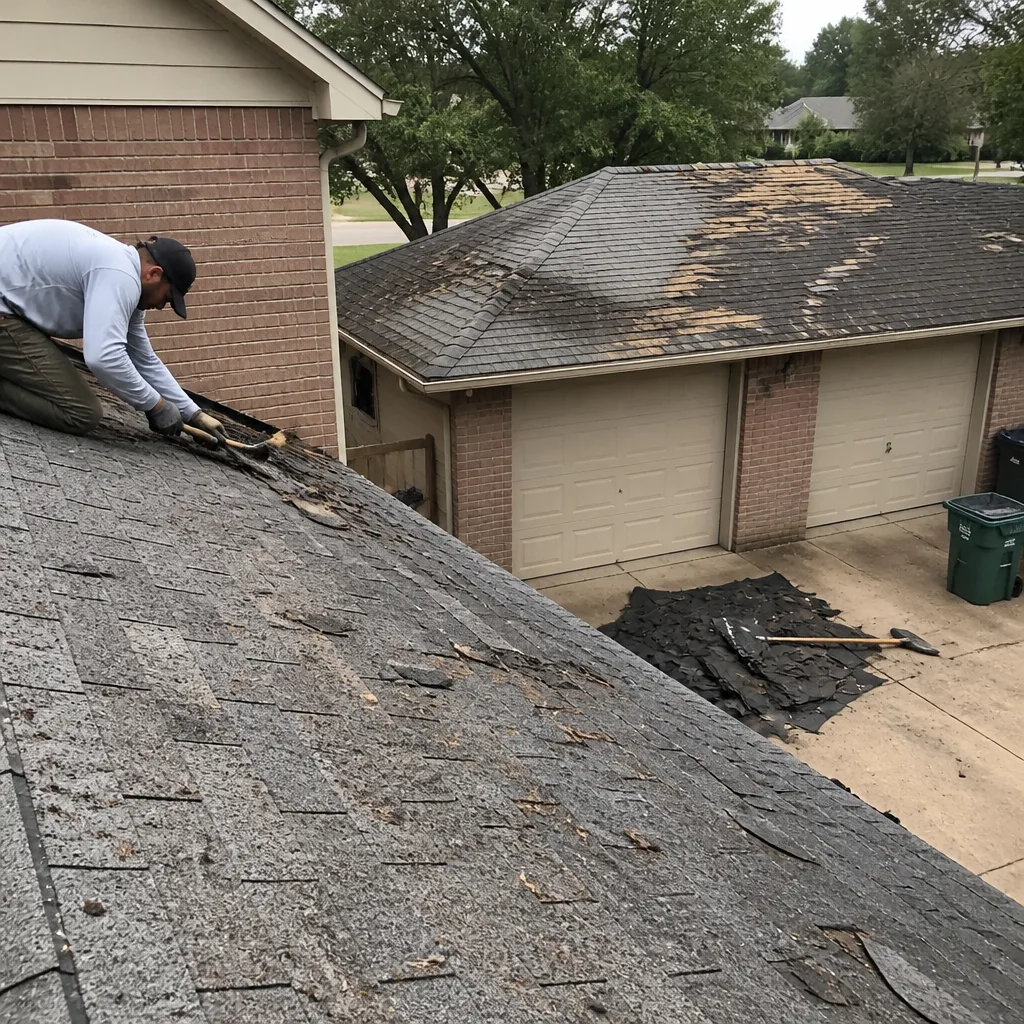 Before
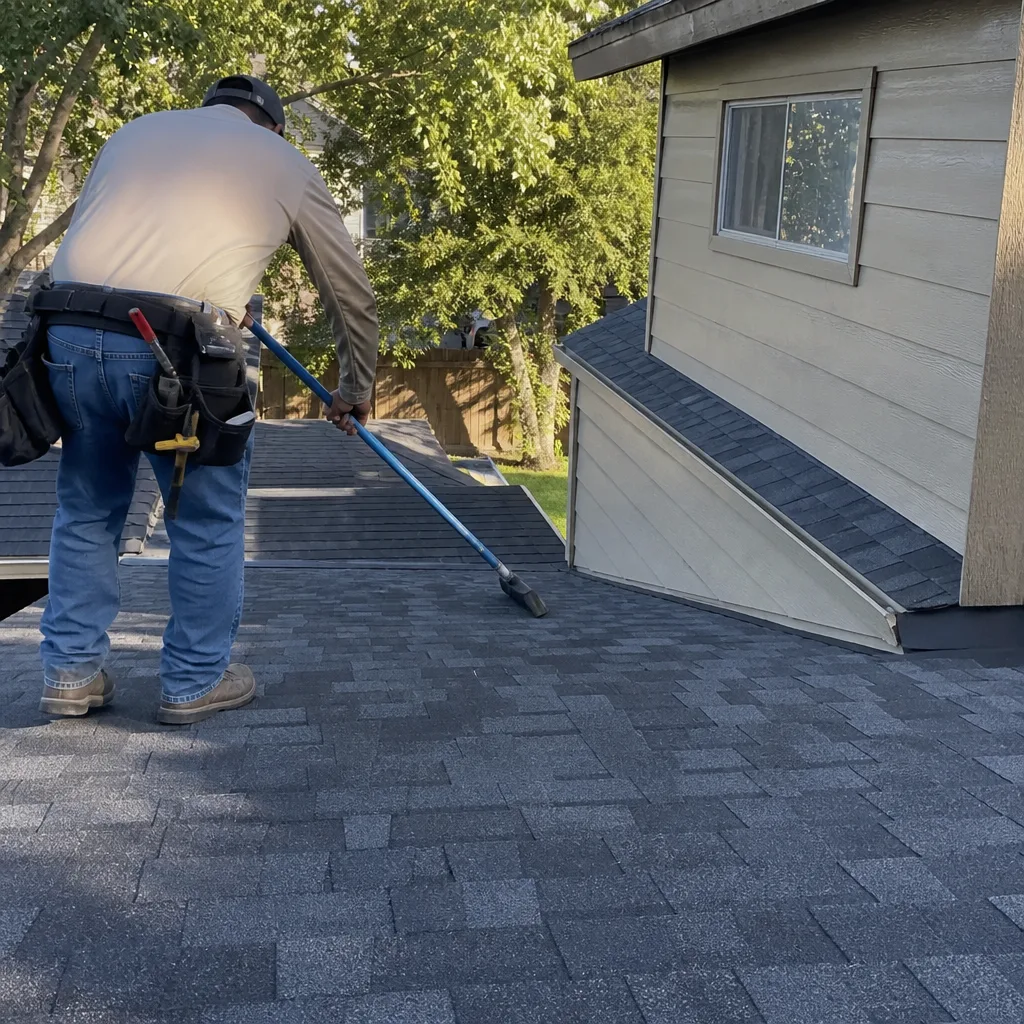 After
After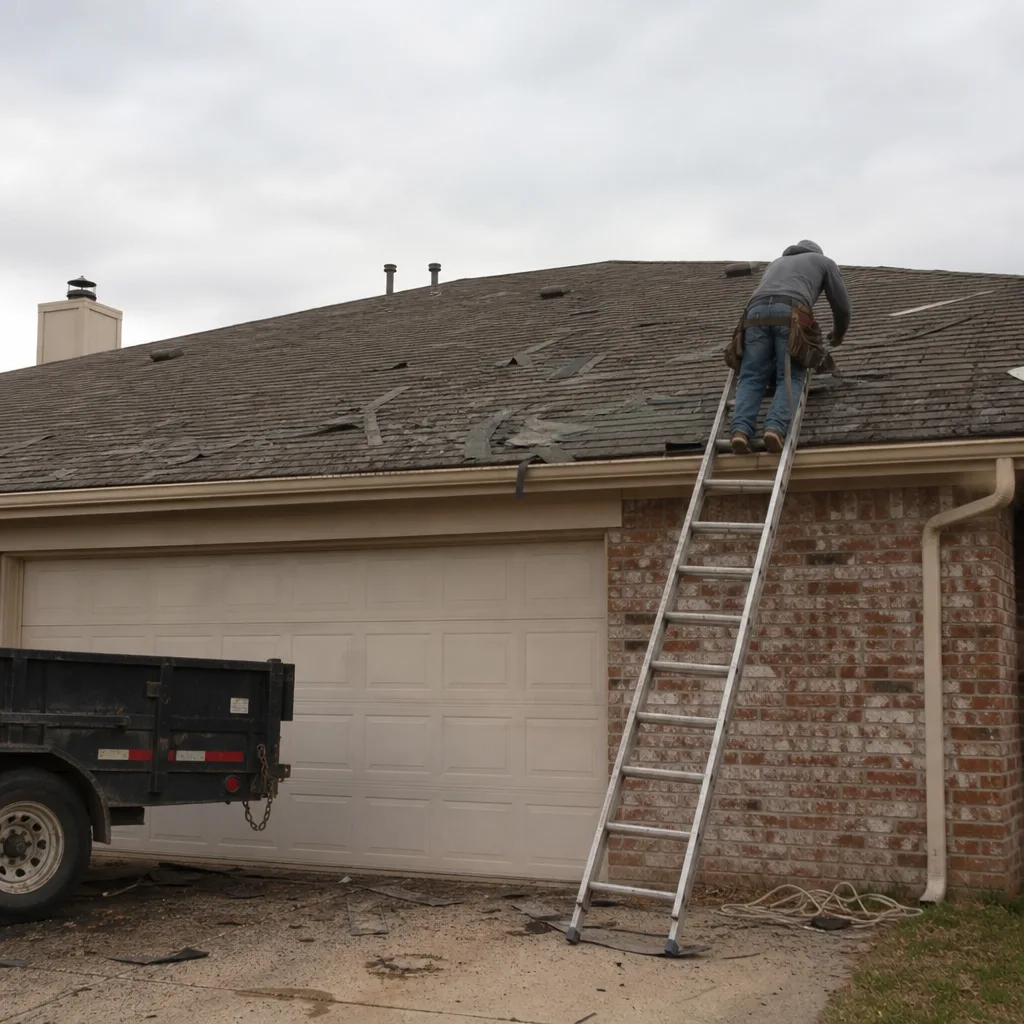 Before
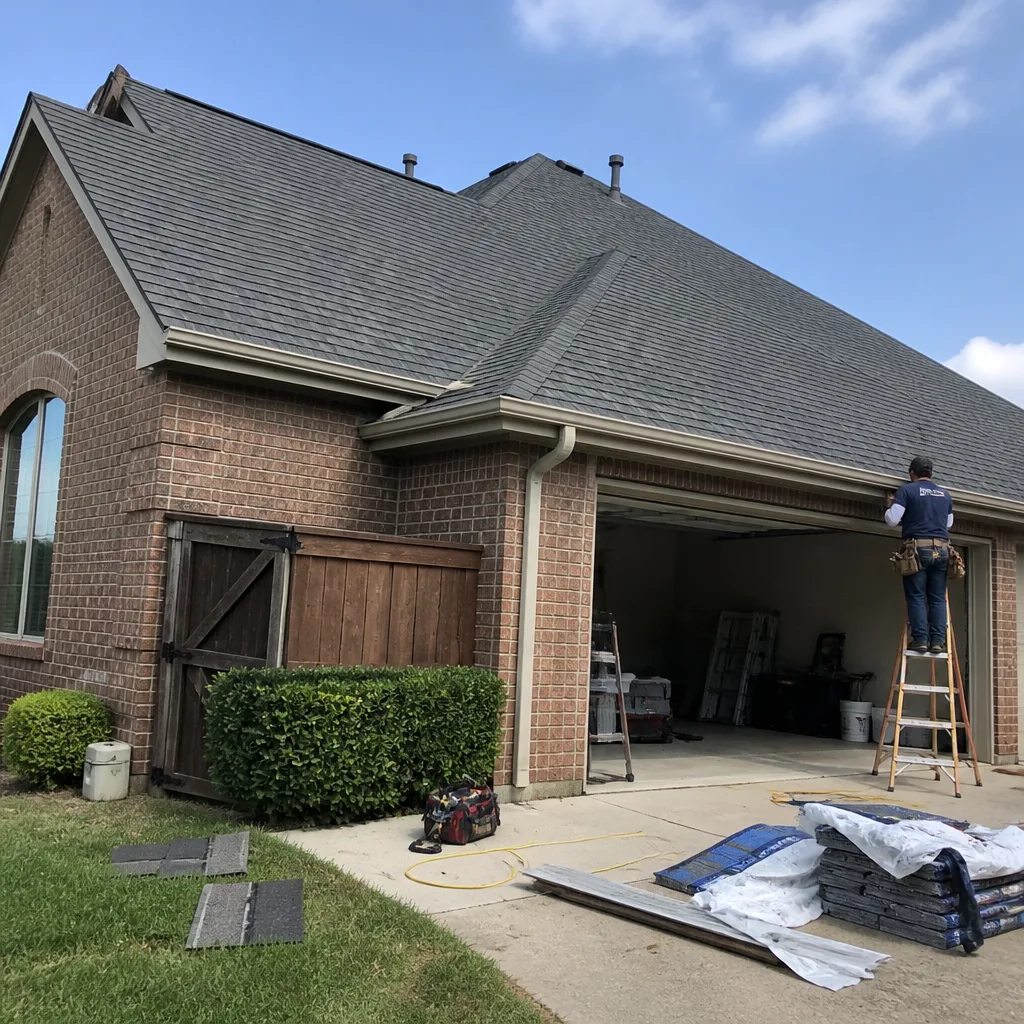 After
After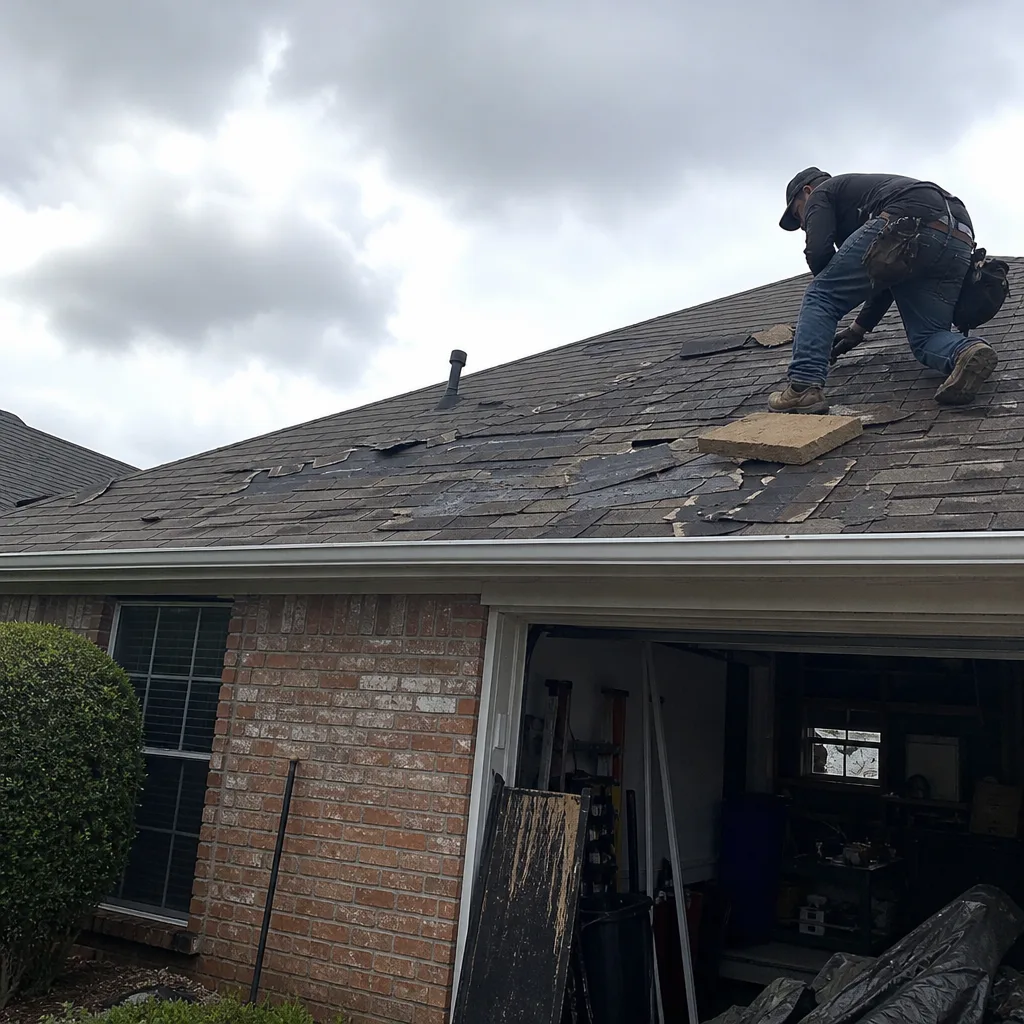 Before
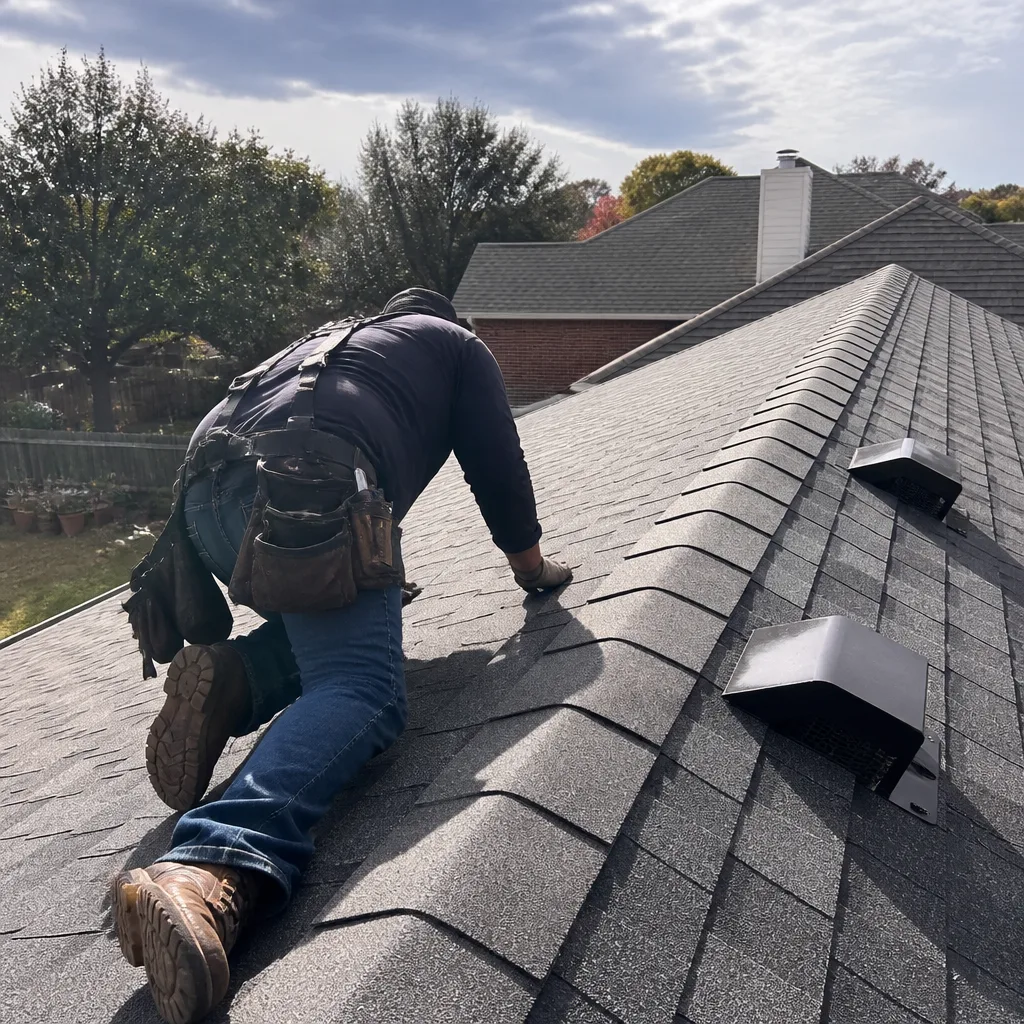 After
After