
Last updated October 17, 2026
 Metal roofing
 Architectural shingles
 Tile roofing
 GAF
GAF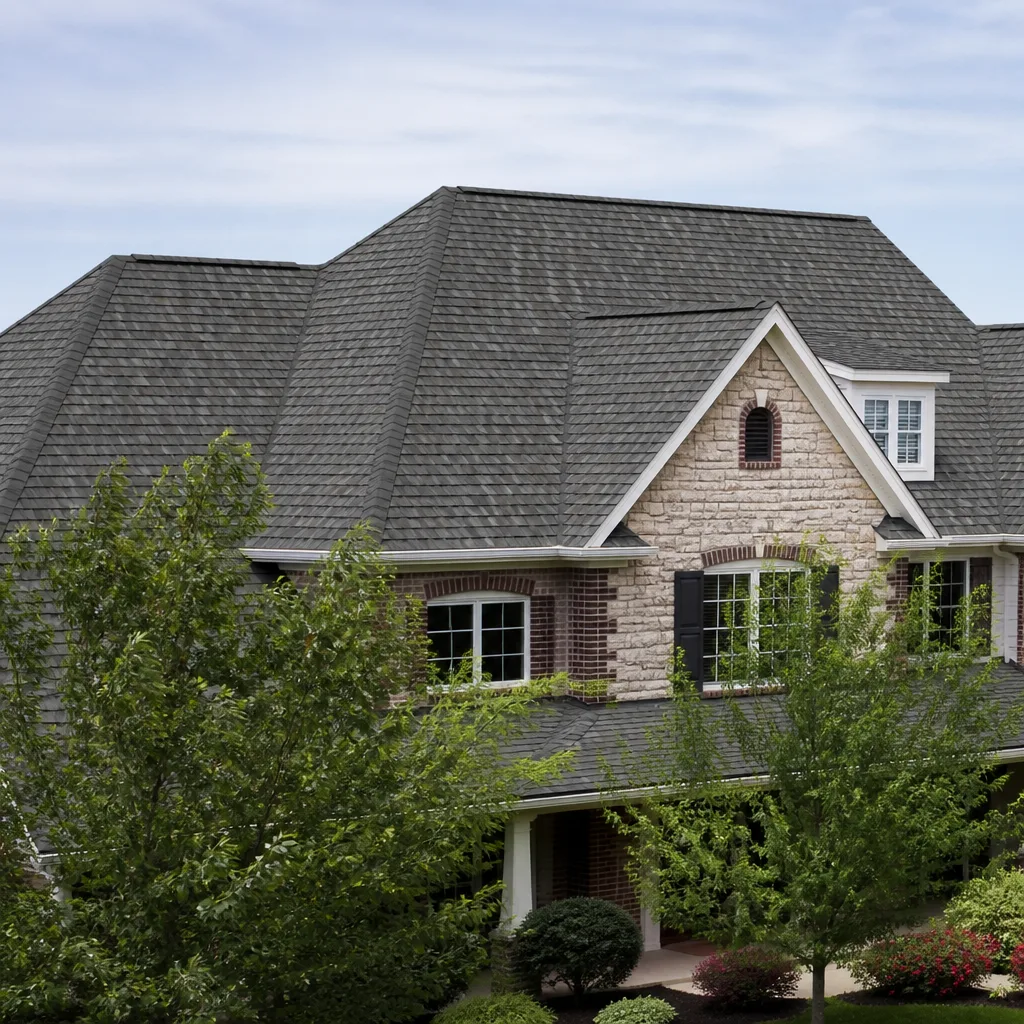 Owens Corning
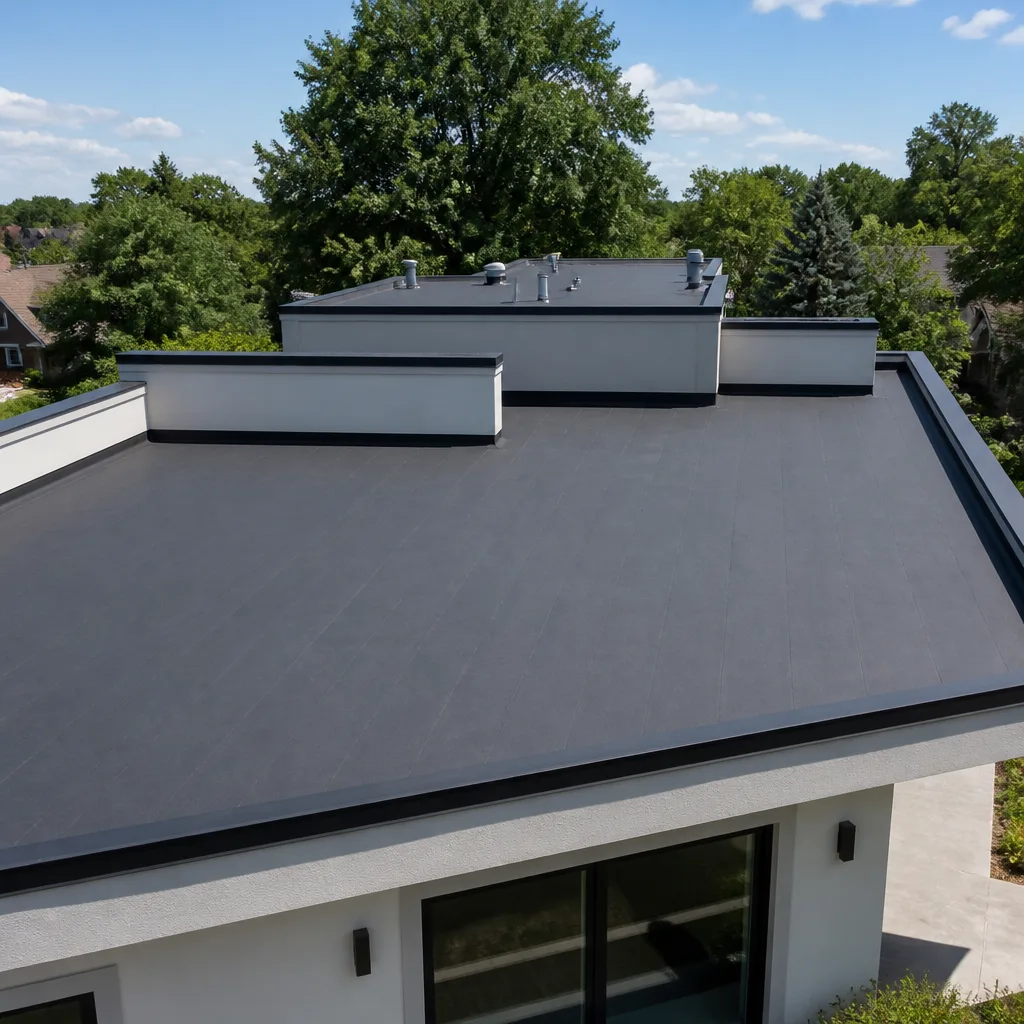 Flat & low-slope
Free roof inspection with deck photos before we talk money - GAF and Owens Corning certified installation
Roofing Permits, Codes & Inspections in TX: What You Need to Know
In Dallas, an unpermitted roof replacement can void your homeowner’s insurance coverage for any subsequent water damage claim, a fact most contractors don’t volunteer before they start tearing off shingles. Texas has no statewide roofing permit, but your city absolutely does, and Dallas enforces its rules with a diligence that surprises a lot of homeowners. This guide walks you through exactly what Dallas requires, which projects need a permit, how inspections actually work, and what happens to your property value and insurance when corners get cut. For a broader overview of roofing in the area, see The Complete Guide to Roofing in Dallas. By the end, you’ll know more about the permit process than most roofing salespeople who knock on your door in Lakewood or Preston Hollow.
Styles & brands we work with
Quick Answer
Most roof replacements and structural repairs in Dallas require a building permit from the City of Dallas Building Inspection Department, while minor repairs under 100 square feet of shingle replacement typically qualify as an exemption. The permit exists to prove the roof meets the current International Residential Code (IRC) as amended by Dallas, and the final inspection is the only document your insurance company and future buyer will trust. A reputable Dallas roofer pulls the permit before work starts, schedules the inspection, and doesn’t take final payment until the city signs off.
Table of Contents
- Which Dallas Roofing Projects Require a Permit
- What the Permit Actually Costs in Dallas
- How Dallas Roof Inspections Work, Step by Step
- Dallas vs. Frisco, McKinney, and DeSoto: Different Rules
- How to Look Up Permit History Before You Buy a Home
- What Dallas Code Says About Ice and Water Shield
- Insurance, Claims, and Unpermitted Roofs: The Real Risk
- Common Mistakes to Avoid
- When to Call a Professional
- Frequently Asked Questions
- The Bottom Line
Which Dallas Roofing Projects Require a Permit
Dallas draws a bright line between what the city calls a repair and what it calls a replacement. The distinction matters because one requires a permit and an inspection, and the other does not. Here’s how the City of Dallas Building Inspection Department applies the rule.
A permit is required when you’re replacing more than 100 square feet of roof covering, replacing any roof decking or sheathing, modifying the roof structure, or changing the roof material type, such as switching from three-tab shingles to a standing seam metal roof. A permit is also required any time the roof assembly is altered, not just the surface layer. Replacing a few missing shingles after a wind storm in Oak Cliff? That’s repair, no permit needed. Tearing off the entire roof on a 1960s ranch in Casa View? That’s a full permit with inspections.
The threshold is specific and worth knowing. Dallas follows the IRC definition that roof repairs under 100 square feet per calendar year do not require a permit, provided no structural member is altered. But here’s the nuance most homeowners miss: that 100 square feet is cumulative across the year, not per incident. Two small repairs in the same calendar year that together exceed 100 square feet technically push you into permit territory, and a sharp home inspector will flag it at resale.
Exemptions exist, but they’re narrow. Replacing individual shingles, tiles, or small sections of flashing without touching the decking or underlayment generally stays exempt. The moment a contractor lifts the old underlayment or cuts out rotted decking, the project crosses into permit-required work. Any roofer who tells you otherwise is either misinformed or hoping you won’t ask.
What the Permit Actually Costs in Dallas
Dallas roofing permit fees are modest compared to the cost of the roof itself, and they’re calculated based on the project’s valuation, not a flat rate. Here’s a realistic breakdown of what Dallas homeowners pay for a typical single-family re-roof.
- Residential re-roof permit (valuation under $10,000): $90 to $150, depending on the exact scope and current city fee schedule
- Residential re-roof permit (valuation $10,000 to $50,000): $150 to $350
- Re-inspection fee (if the inspector arrives and the work isn’t ready): $85 to $115 per visit
- Expedited or after-hours inspection (rare, not always available): $150 to $250
These are the numbers we’ve seen on actual Dallas permits in the past twelve months. The city adjusts fees periodically, so treat these as a reliable range rather than a price quote. A written estimate from a Dallas roofer should list the permit as a separate line item, so you know exactly what you’re paying the city versus the contractor.
And that’s the thing to watch for. Some contractors bury the permit fee inside a lump sum and then “forget” to pull it. You pay for a permit that never gets issued, and you don’t find out until a claim gets denied or a sale falls through. At Mercer Roofing Co Dallas, the permit fee always appears as its own line on the written estimate, and we provide the permit number before the first shingle comes off. That’s part of the written-price standard we’ve kept since 2000.
How Dallas Roof Inspections Work, Step by Step
Dallas roof inspections are not adversarial, but they’re also not optional. The city’s inspector is there to verify that the installed roof matches the approved permit application and meets current code, and they’ll fail the inspection over details that might seem minor to a homeowner but matter structurally. Here’s the sequence, from start to finish.
- The permit is submitted by the licensed contractor or a registered homeowner, with a scope of work, the roof’s square footage, and the material type specified.
- The permit is issued before any demolition or tear-off begins. If a contractor starts tearing off shingles without a posted permit, the city can issue a stop-work order.
- The underlayment inspection happens after the old roof is off but before the new shingles go down. The inspector checks the decking, underlayment fastening, and flashing details. This is the step that catches rot, skipped underlayment, and missing ice-and-water shield where code requires it.
- The final inspection happens after the shingles, flashing, vents, and edge metal are installed. The inspector verifies the nailing pattern, the drip edge, the valley treatment, and the overall workmanship.
- The final sign-off is recorded in the city’s permit database. This is the document that matters to your insurer and future buyer.
What happens if the contractor leaves before the final sign-off? It happens more than you’d think. A crew finishes the roof on a Friday, the contractor says they’ll “circle back” for the inspection, and then the phone stops ringing. The homeowner is left with an open permit, which the City of Dallas can flag as an unresolved code issue. When you sell the house, the title company’s record search will surface that open permit, and closing can stall until it’s resolved. Make final payment contingent on a passed final inspection. A roofer who’s done the job right won’t hesitate to agree to that.
Dallas vs. Frisco, McKinney, and DeSoto: Different Rules
Here’s where “Texas” stops being a useful shorthand. Every city in the Dallas-Fort Worth metroplex runs its own permitting office, and the rules don’t always line up. If you live in Dallas proper, you’re under the City of Dallas Building Inspection Department. If you live in Frisco, you’re under Frisco’s Development Services. Same county, same climate, different forms, different fees, different timelines.
Frisco, for example, requires a permit for any re-roof, with no 100-square-foot repair exemption as generous as Dallas’s. McKinney’s process is similar, but the city has pushed hard on digital permitting, so the turnaround can be faster. DeSoto, which sits in the southern part of the county, has its own fee schedule and its own inspection routing, and it’s common for DeSoto inspections to be scheduled further out during storm season.
This is exactly why you can’t rely on generic advice that says “Texas doesn’t require roofing permits.” Texas doesn’t, but your city does, and the details change at the city limit sign. A roofer who does work in Dallas, Addison, Richardson, and Garland should be able to tell you, off the top of their head, which permit each city requires and what the inspection sequence is. If they can’t, they’re learning on your roof. This guide is written from a Dallas perspective, but the principle applies everywhere: ask the roofer, by name, which municipality issues your permit, and then verify it.
How to Look Up Permit History Before You Buy a Home
Before you close on a house in Dallas, spend fifteen minutes checking the permit history. It’s one of the highest-value things you can do in the due diligence window, and almost nobody does it. The City of Dallas maintains an online permit lookup tool that lets you search by address and see every permit pulled on that property, including roofing permits, with dates and final inspection status.
Here’s the scenario we see regularly in North Dallas and East Dallas: a home was listed as having a “new roof in 2018,” but the permit search shows no roofing permit was ever issued. What does that tell you? It tells you the roof was either replaced illegally, or it wasn’t replaced at all and the seller’s disclosure is loose with the word “new.” Either way, you’ve just learned something the listing agent didn’t volunteer.
What to look for:
- Is there a roofing permit at all? If the home claims a recent roof and no permit exists, ask hard questions before you sign.
- Was the final inspection passed? An issued permit with no final inspection means the job was never verified by the city.
- Does the permit date match the seller’s story? A 2018 permit on a roof the seller says was replaced in 2022 is a mismatch worth understanding.
- Who pulled the permit? The contractor of record tells you who did the work, and whether they’re a real Dallas company or a name that no longer exists.
If the permit history is clean, that’s a real asset at closing. It means the work was done under code, inspected, and recorded. If it’s not clean, you now know what to negotiate, and you know not to rely on the roof’s age as proof of its condition.
What Dallas Code Says About Ice and Water Shield
Dallas sits in a climate zone that doesn’t get Minnesota winters, but it does get the occasional hard freeze that bursts pipes and peels shingles off in a single night. The February 2021 freeze is the reference point. That’s why the Dallas amendments to the IRC include specific requirements for ice and water shield, a self-adhering underlayment membrane that seals around nails and prevents water from working its way under the shingles during an ice dam or wind-driven freeze.
Under the current Dallas code, ice and water shield is required at the eaves in certain new construction and full re-roof scenarios, particularly where the roof pitch is low or where the roof meets a valley. The exact requirement depends on the roof’s design, but the principle is consistent: Dallas wants a barrier at the vulnerable edges and transitions, not just the field of the roof. A roofer who skips ice and water shield saves a few hundred dollars in materials and gives up the single layer most likely to save your ceiling during the next ice event.
Homeowners should ask the question directly: “Is ice and water shield required on my roof, and is it in the estimate?” If a roofer can’t answer the first question, that’s your answer to the second. We include ice and water shield where code requires it on every Roof Installation in Dallas and make sure the permit application reflects the full scope, so the inspector knows exactly what to verify.
Insurance, Claims, and Unpermitted Roofs: The Real Risk
This is the part that converts a permit from paperwork into real protection. When you file a water damage claim in Dallas, the insurance adjuster’s job is to determine whether the damage is covered by the policy. One of the first things they look at is how the roof was installed, and whether it was installed legally. An unpermitted roof replacement gives the insurer a legitimate reason to deny the claim or reduce the payout, because the policy’s terms typically require the home to have been maintained and improved in compliance with local code.
The denial doesn’t even have to be about the roof itself. Say a storm blows a tree limb through a window, and water soaks the living room floor. The adjuster notes the roof was replaced in 2021 without a permit. The insurer can argue the home’s overall condition is compromised, and your claim gets tied up for months or denied outright. It’s a worst-case scenario, but it’s not hypothetical. We’ve heard it from homeowners in Mesquite and Balch Springs who called us after the claim fell apart, and by then, the fix is much more expensive than the permit ever was. For Roofing Warning Signs: A Dallas Homeowner’s Reference Guide, catching these issues early is critical.
A permitted roof with a passed final inspection is your documentary proof that the work was done to code. That’s the paper that protects the claim, the sale, and the equity in your home. Nobody thinks about the permit when the roof is going on. Everybody thinks about it when the ceiling is stained and the adjuster is asking questions.
Common Mistakes to Avoid
- Trusting a contractor who says “we’ll handle the permit” and then never pulls it. Ask for the permit number before tear-off starts. If they can’t produce one, stop the job.
- Paying in full before the final inspection passes. You lose every bit of leverage the moment the check clears. Hold back final payment until the city signs off.
- Assuming the insurance company won’t find out about an unpermitted roof. They check public records. That’s their job.
- Confusing Dallas rules with Texas rules. Texas has no statewide roofing permit. Dallas has a specific one. Your suburb has another. Know which applies to you.
- Skipping the ice and water shield because “it never freezes here.” It froze in 2021. It will freeze again. The shield costs a fraction of the ceiling repair.
- Treating the permit as a tax rather than a protection. The permit is the document that defends your insurance claim and your resale value. It’s the cheapest insurance you’ll ever buy.
- Accepting a verbal quote without a written scope. If it’s not written, it didn’t happen. Get the permit fee, the materials, the ice and water shield, and the inspection schedule in writing.
When to Call a Professional
Roofing permits are not a DIY project, and neither is a roof. The moment you’re replacing more than a handful of shingles, you’re in territory where the code requirements, the inspection sequence, and the liability all demand a licensed professional. If you’re buying a home and the permit history shows an unpermitted roof, call a roofer before closing, not after. If your current roof was replaced without a permit, a professional can tell you what it will take to bring it into compliance now, which is almost always cheaper than waiting for a denial. Mercer Roofing Co Dallas offers free estimates in Dallas, and we’ll walk you through the permit process for your specific property. Call (432) 302-5605 to schedule yours.
We’re part of the Mercer Roofing Co Dallas home team, and we’ve been helping Dallas homeowners navigate the city’s permit process since 2000. Every estimate includes a written price before any work starts, and every repair carries a written guarantee.
Frequently Asked Questions
Yes, for any replacement over 100 square feet, for any structural repair, or for any material change, you need a building permit from the City of Dallas Building Inspection Department. Small repairs under 100 square feet per year are generally exempt. If you’re unsure whether your project crosses the threshold, call the city’s permit office or ask a Dallas roofer to check for you, then get a written confirmation either way.
A typical residential re-roof permit in Dallas costs between $90 and $350, depending on the project valuation, with re-inspection fees of $85 to $115 if the inspector has to make a second trip. The permit fee should appear as a separate line item on your written estimate, not buried in a lump sum. Call (432) 302-5605 and we’ll tell you exactly what your specific project’s permit will cost.
The roof exists, but it doesn’t legally exist, and that gap can bite you at claim time, at sale time, or both. Your insurer can deny a water damage claim, and a title search can stall your closing. The fix is to have a licensed Dallas roofer evaluate the roof, bring it into compliance, and pull a retrospective permit where the city allows it. It’s more expensive than a permit, but far cheaper than a denied claim.
The inspection itself typically takes 20 to 40 minutes, but the scheduling window is what homeowners feel. In storm season, Dallas can be a week or more out on inspection slots, which is why it’s smart to build inspection time into the project schedule from the start. A roofer who knows the Dallas system will submit the permit early and schedule the inspections before they’re needed.
You can list it, but you can’t hide it. A buyer’s inspection and title search will likely surface the missing permit, and you’ll either fix it before closing or accept a price cut to cover it. Sellers who resolve the permit issue before listing nearly always fare better in the negotiation than those who wait for the buyer to find it. The peace of mind from a clean permit history is worth more than the fee.
Yes. When you file a claim, especially a water damage claim, the adjuster reviews public permit records as part of the investigation. A missing permit gives the insurer a documented reason to question the roof’s quality and compliance, and that question can become a denial. The permit is the paper trail that proves your roof was installed to code, and that paper is worth its weight during a claim. Call (432) 302-5605 for a free estimate, and we’ll make sure your permit gets pulled and your inspection gets passed, with every step in writing.
The Bottom Line
Dallas roofing permits are not a bureaucratic hurdle. They’re the document that protects your insurance claim, your resale value, and your legal standing as a homeowner. The rules are specific: 100 square feet of repair per year is exempt, everything structural is not. The permit is cheap, the inspection is straightforward, and the risk of skipping either is enormous. Whether you’re replacing a roof on a home you’ve owned for years or buying a home with a permit history that needs a careful read, the process rewards people who ask direct questions and get everything in writing. For more guides & resources, or if you’re in Dallas and want a roofer who treats the permit as part of the job, not an afterthought, give us a call. We’ll walk you through it, on paper, before any work begins.
Written by Grant Whitlock, Owner at Mercer Roofing Co Dallas, serving Dallas since 2000.
See the difference
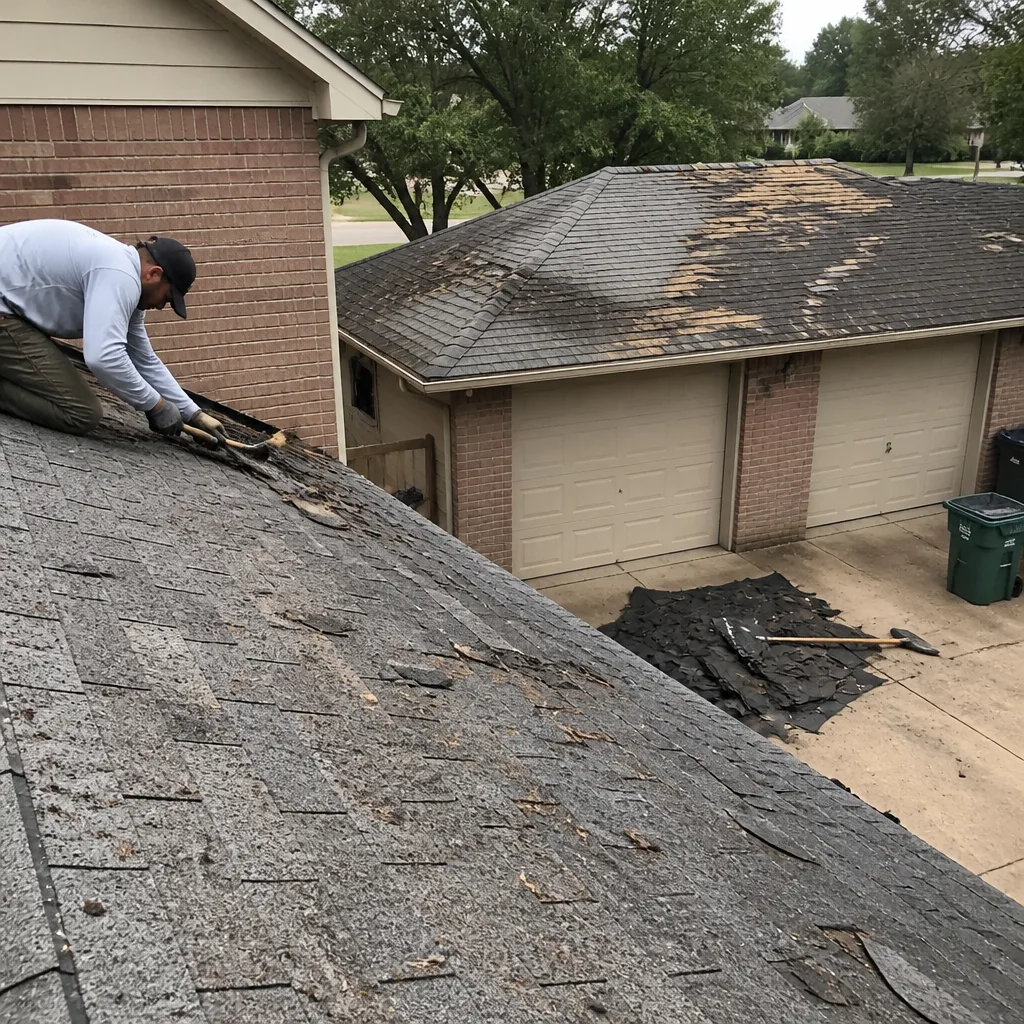 Before
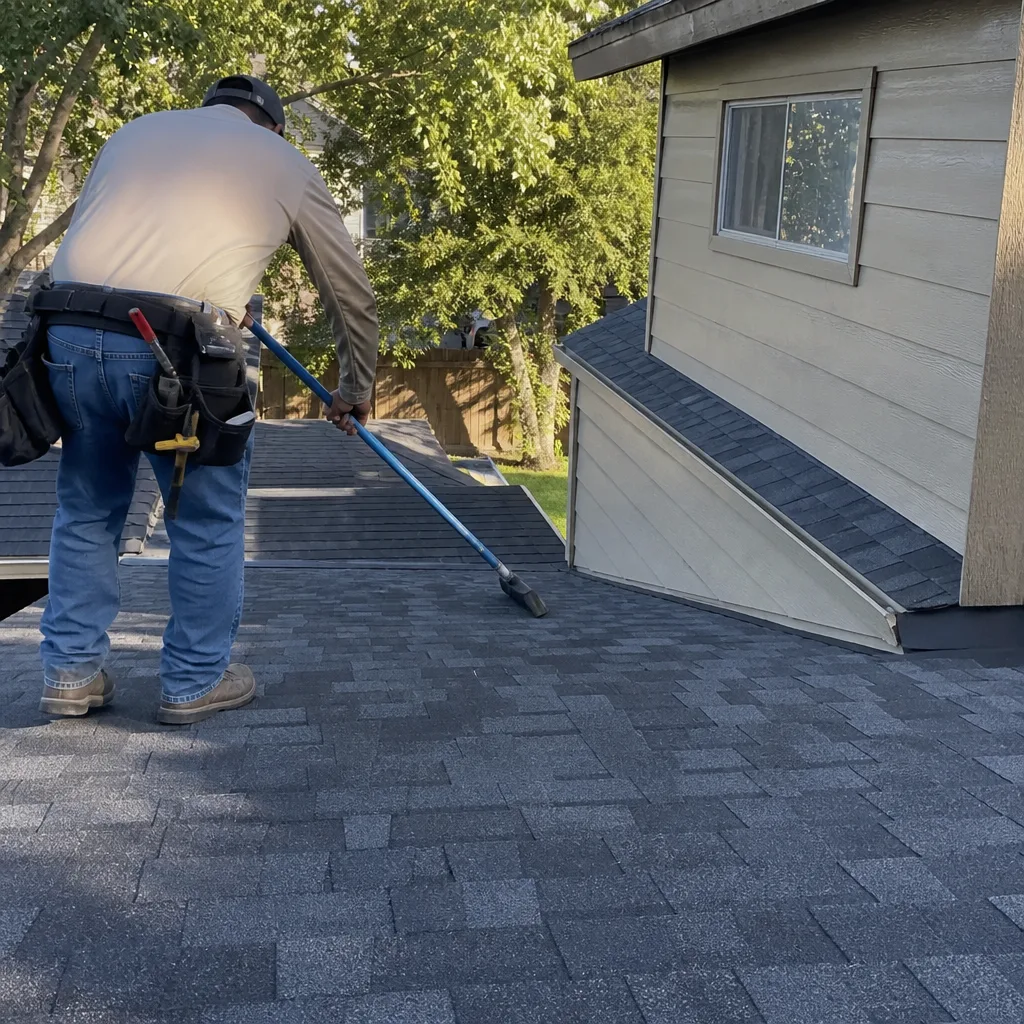 After
After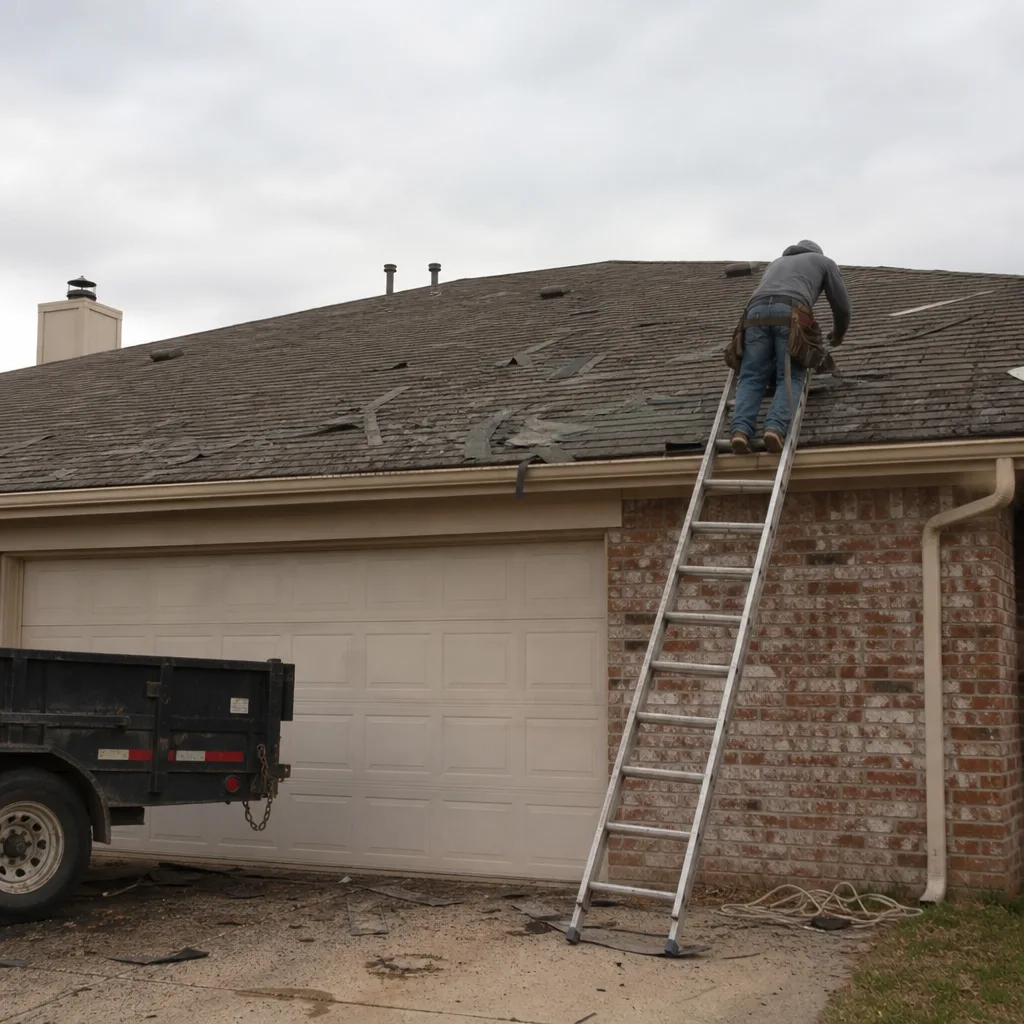 Before
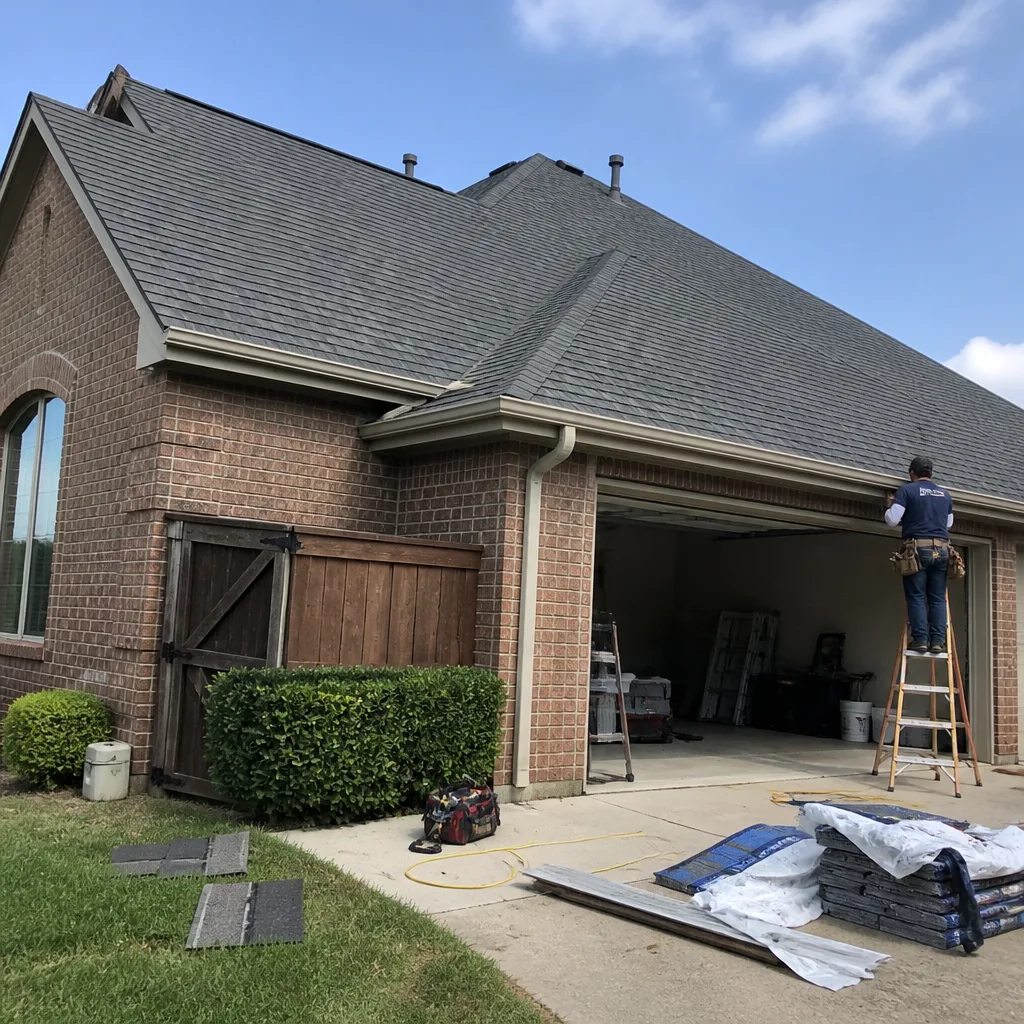 After
After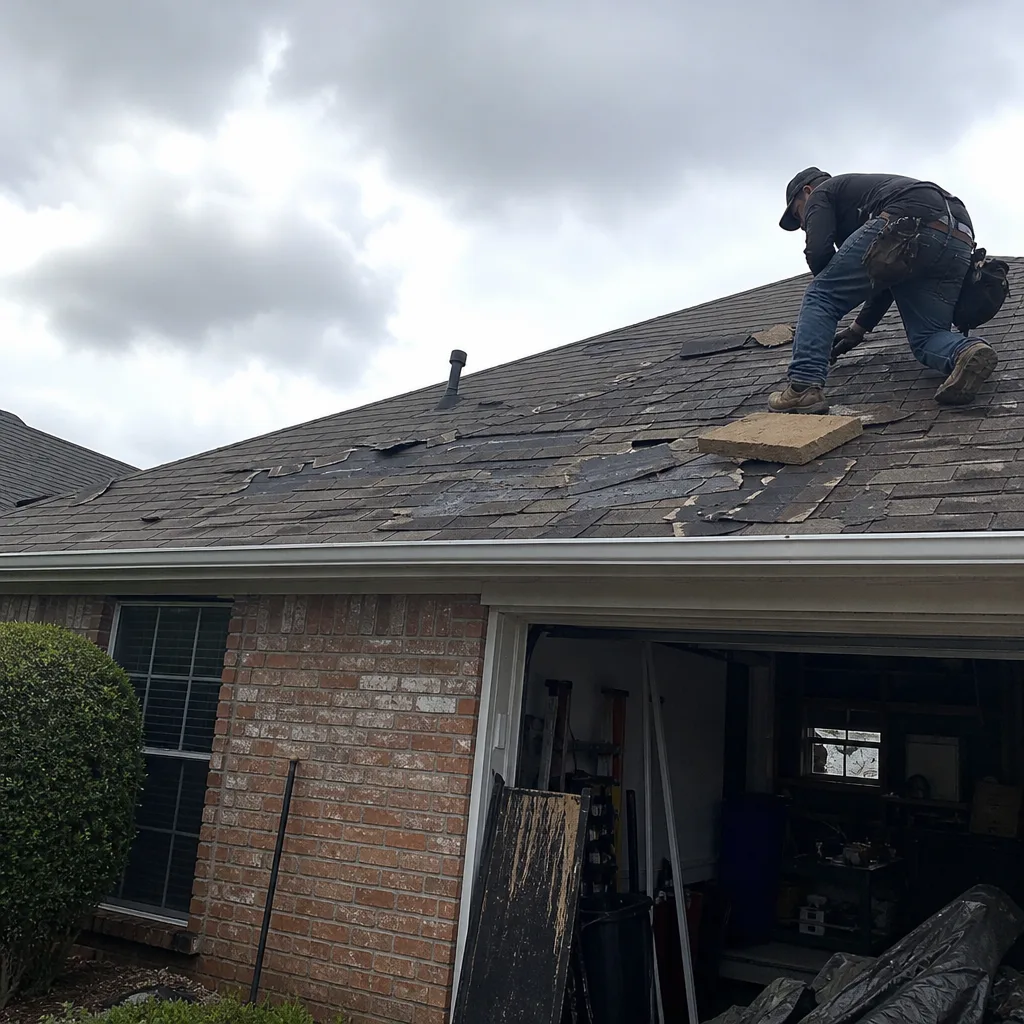 Before
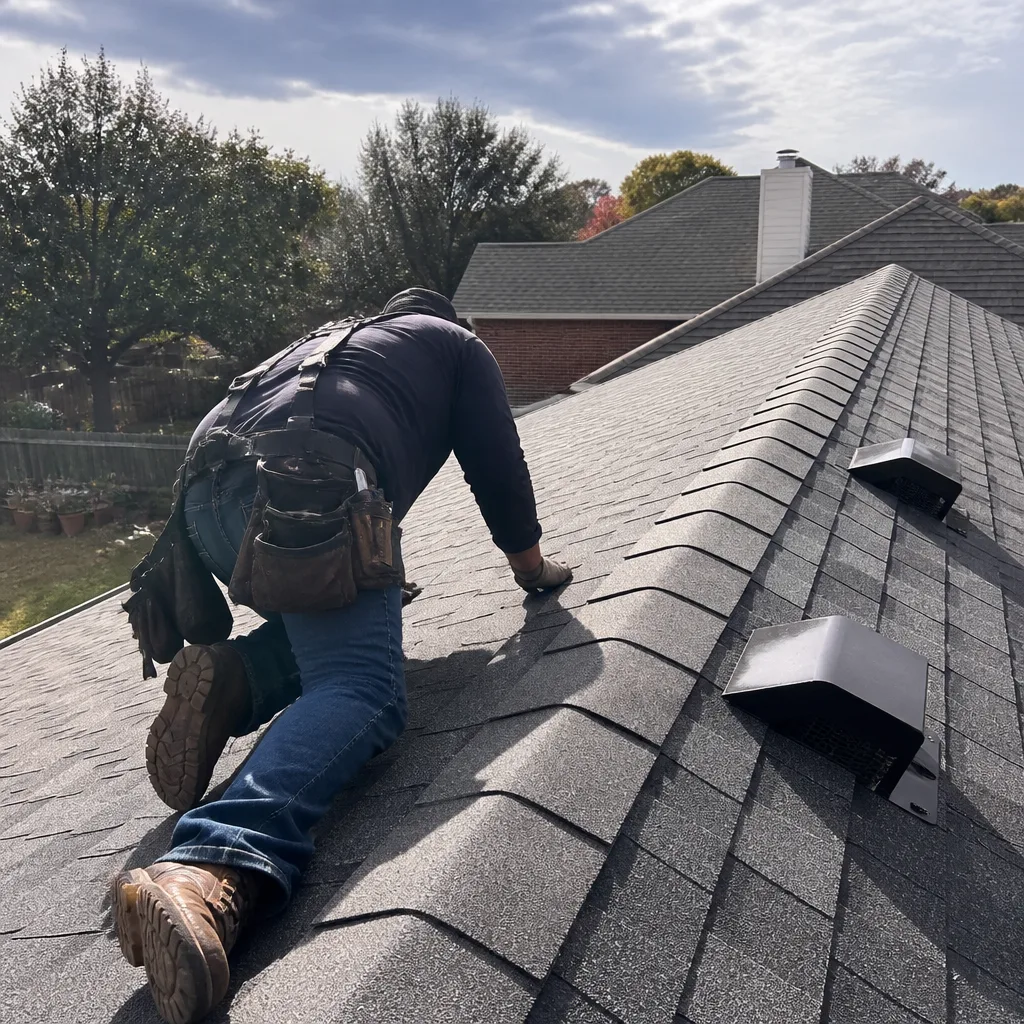 After
After